Wondering whether Pleasant Hill checks the right boxes for your next move? If you want easier access to the rest of the East Bay, a mix of home styles, and everyday amenities that support a comfortable routine, Pleasant Hill is worth a closer look. The key is understanding what the city actually offers, and where it may or may not match your priorities. Let’s dive in.
What Pleasant Hill Feels Like
Pleasant Hill is a moderately dense suburban city in central Contra Costa County with a 2020 population of 34,903 across about 7.1 square miles, according to city demographic materials. The city also reports 14,286 households, an average household size of 2.48, and an owner-occupancy rate of 64.2 percent.
In practical terms, that points to a community that feels suburban but still active. The city describes Pleasant Hill as centrally located along Interstate 680 with a small-town feel and a vibrant downtown that draws regular visitors, which helps explain why it appeals to people who want convenience without a fully urban pace.
Who Pleasant Hill May Suit Best
Pleasant Hill can be a strong fit if you want a quieter East Bay setting while still staying connected to Oakland, Berkeley, or San Francisco. Based on the city’s location, housing mix, parks, and transit access, it often makes sense for buyers who value day-to-day practicality over a dense city-core lifestyle.
You may want to take a closer look at Pleasant Hill if you are:
- Looking for a suburban setting with a range of housing options
- Commuting to other parts of the East Bay or into San Francisco
- Hoping for access to parks, recreation, and civic amenities
- Downsizing but still wanting services and activity nearby
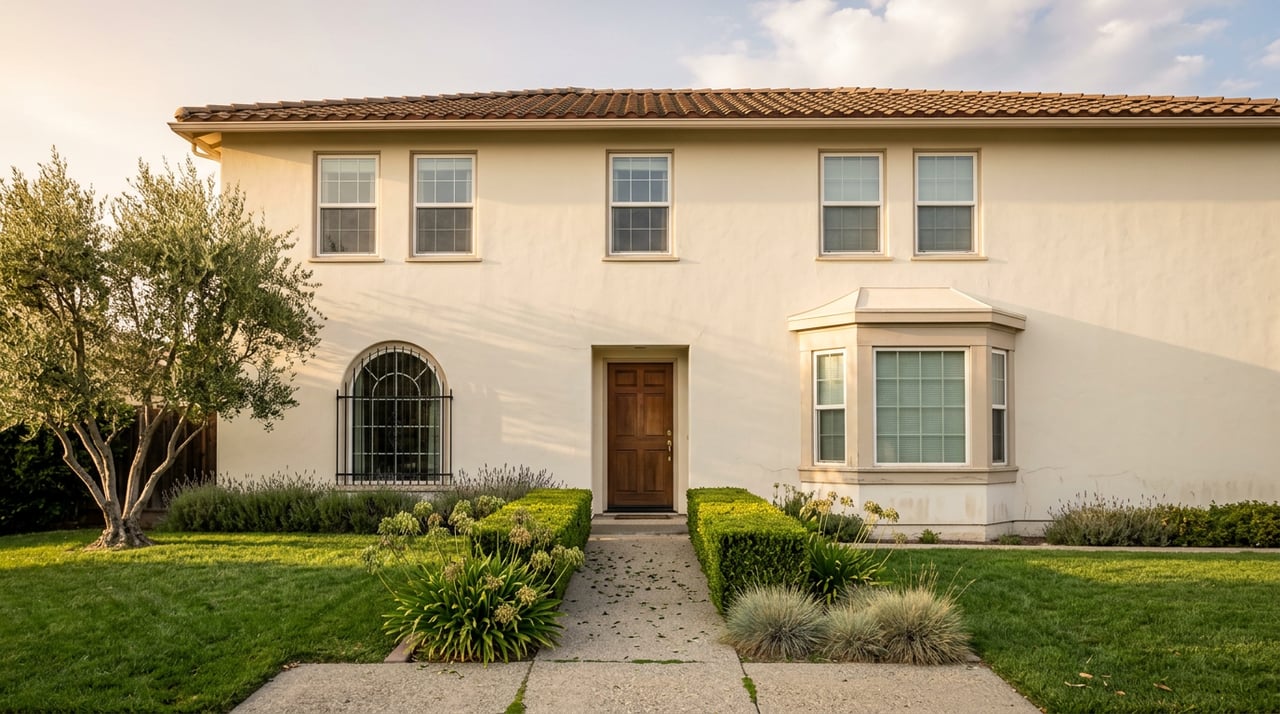
- Interested in a detached home, townhome, condo, or multifamily option
If your top priority is a highly walkable urban environment or a lower-cost market, Pleasant Hill may feel less aligned. The area remains relatively expensive, and its overall pattern is more suburban than city-like.
Housing Options in Pleasant Hill
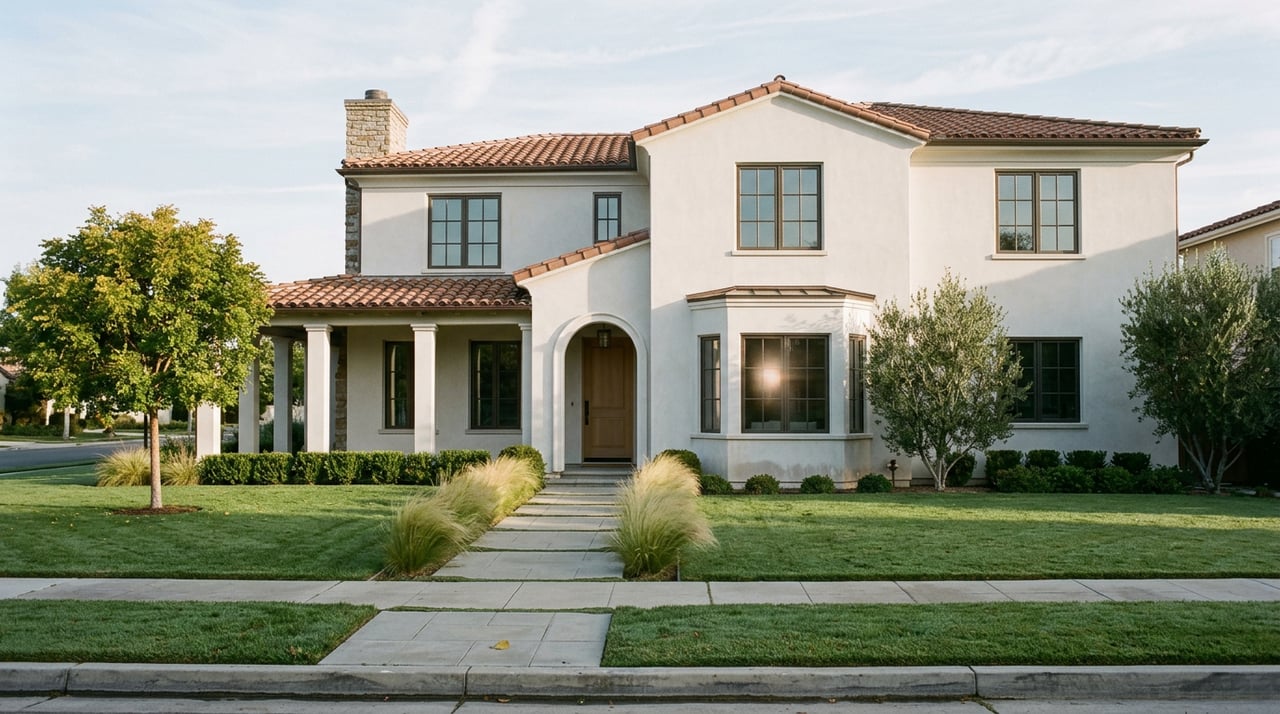
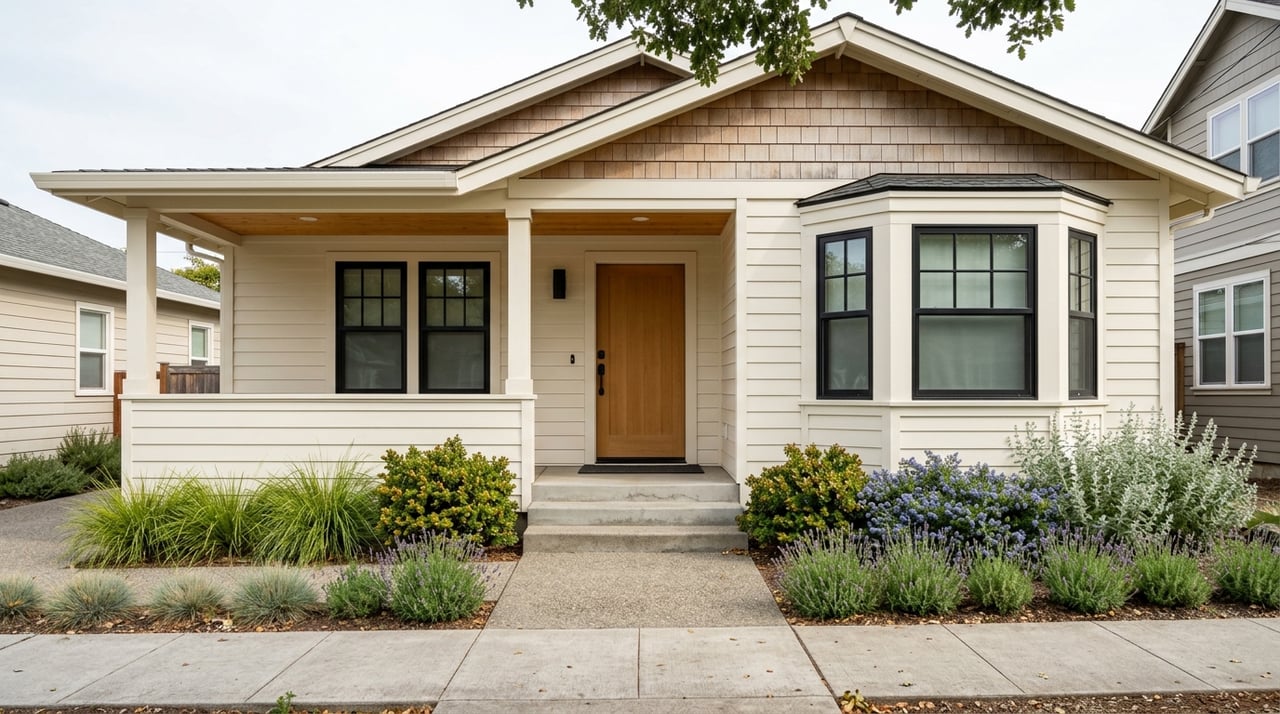
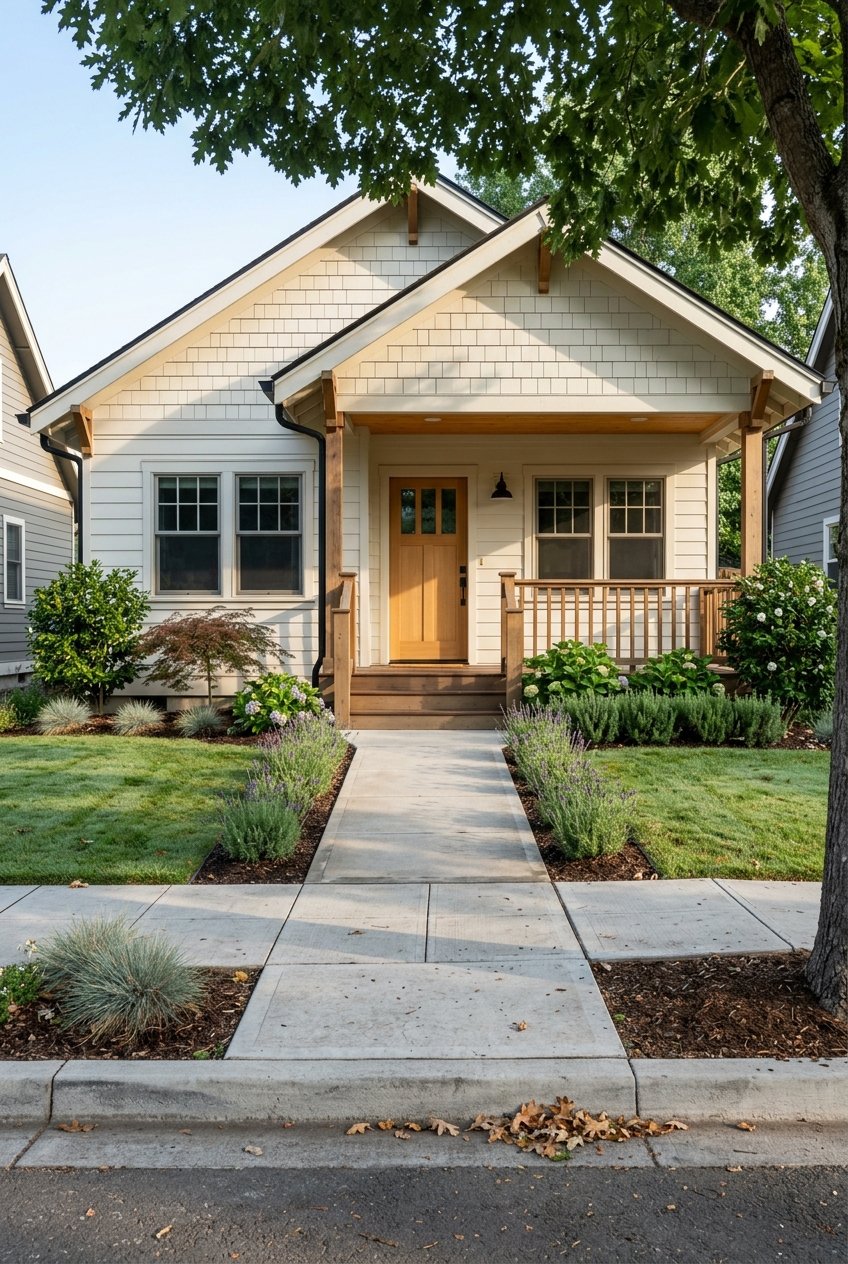
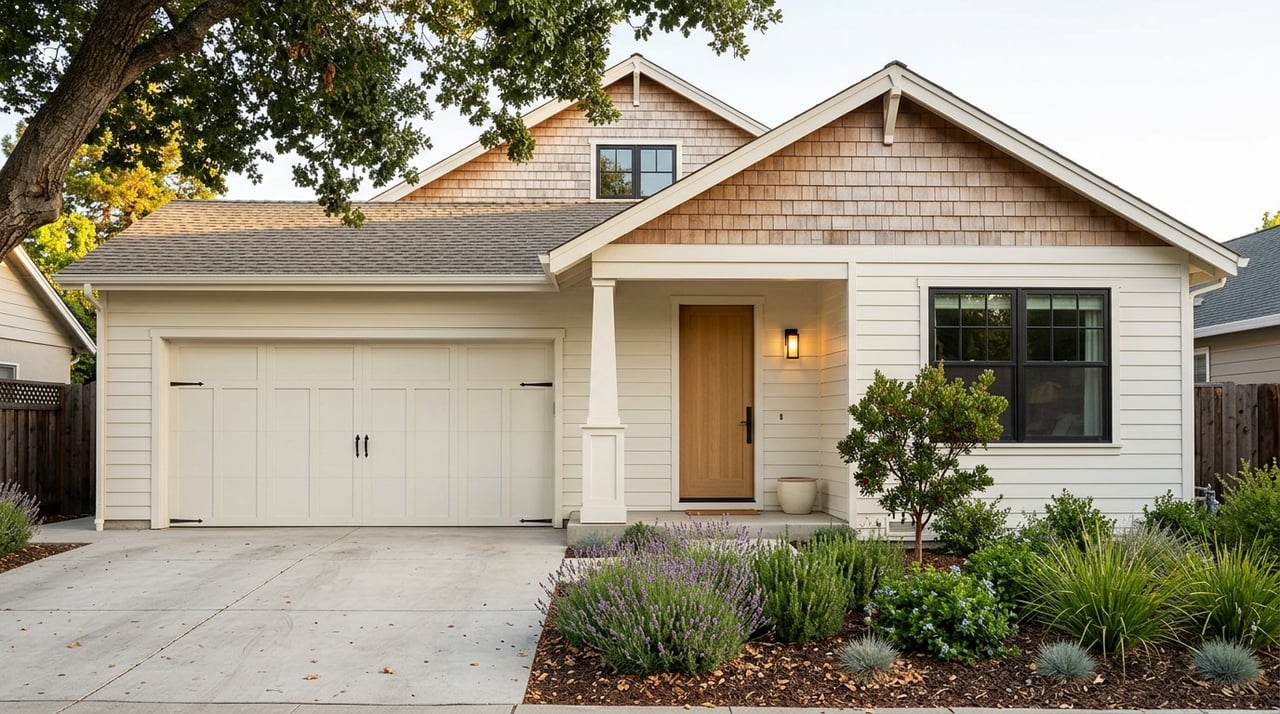
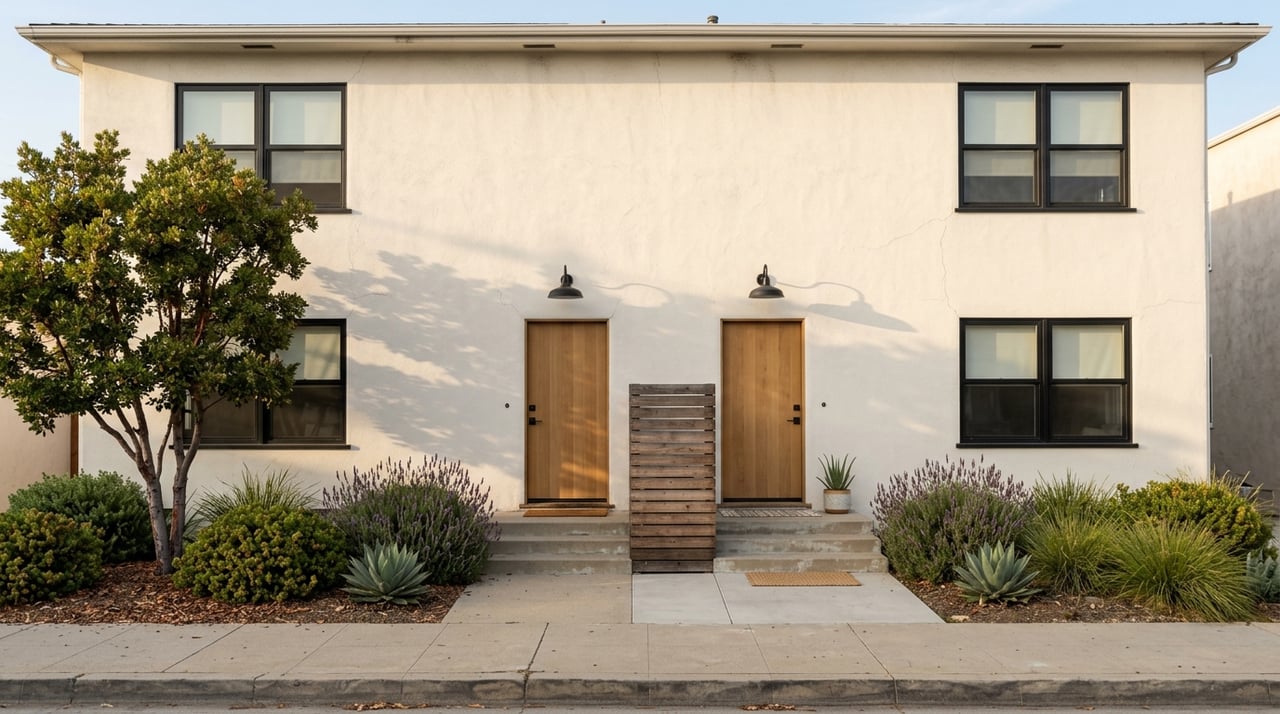
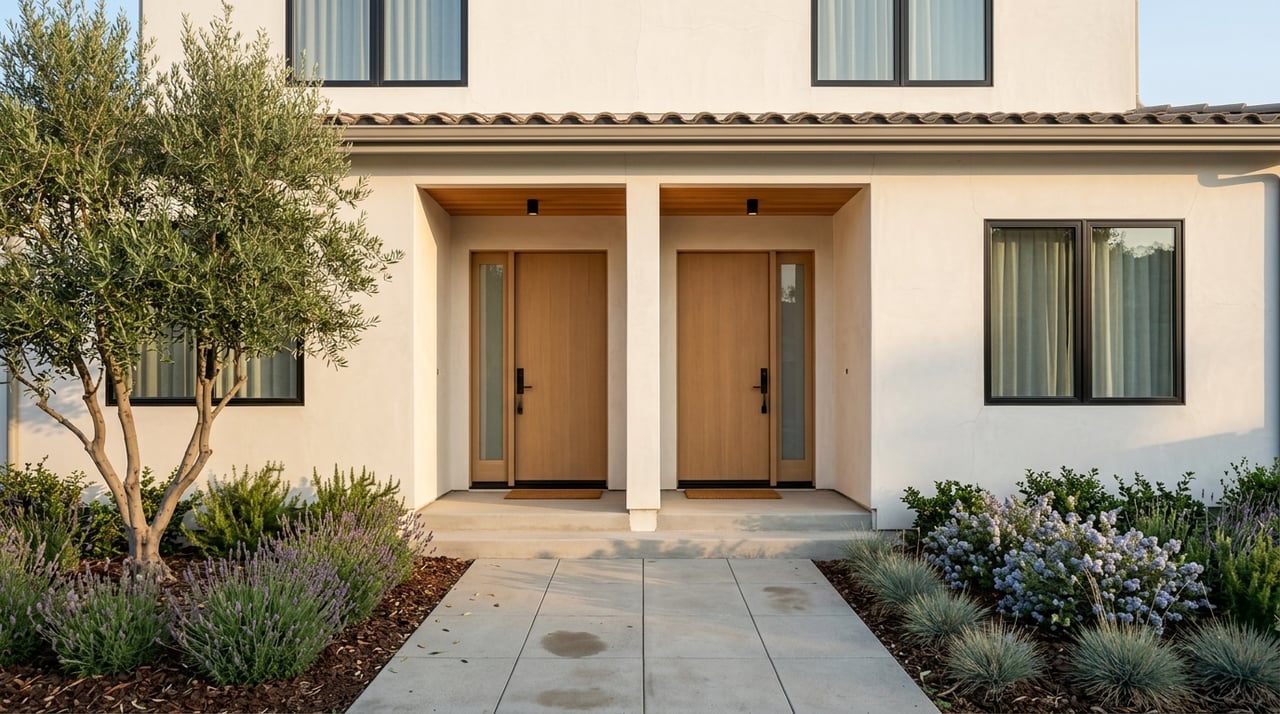
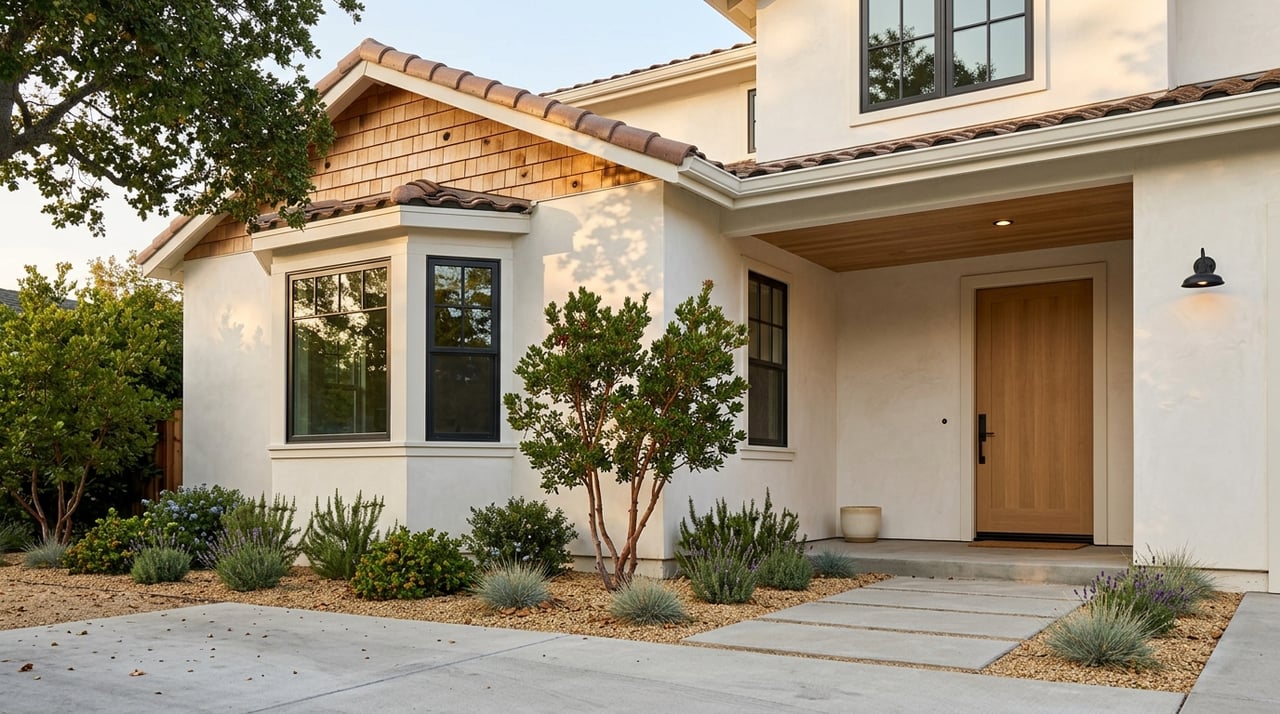
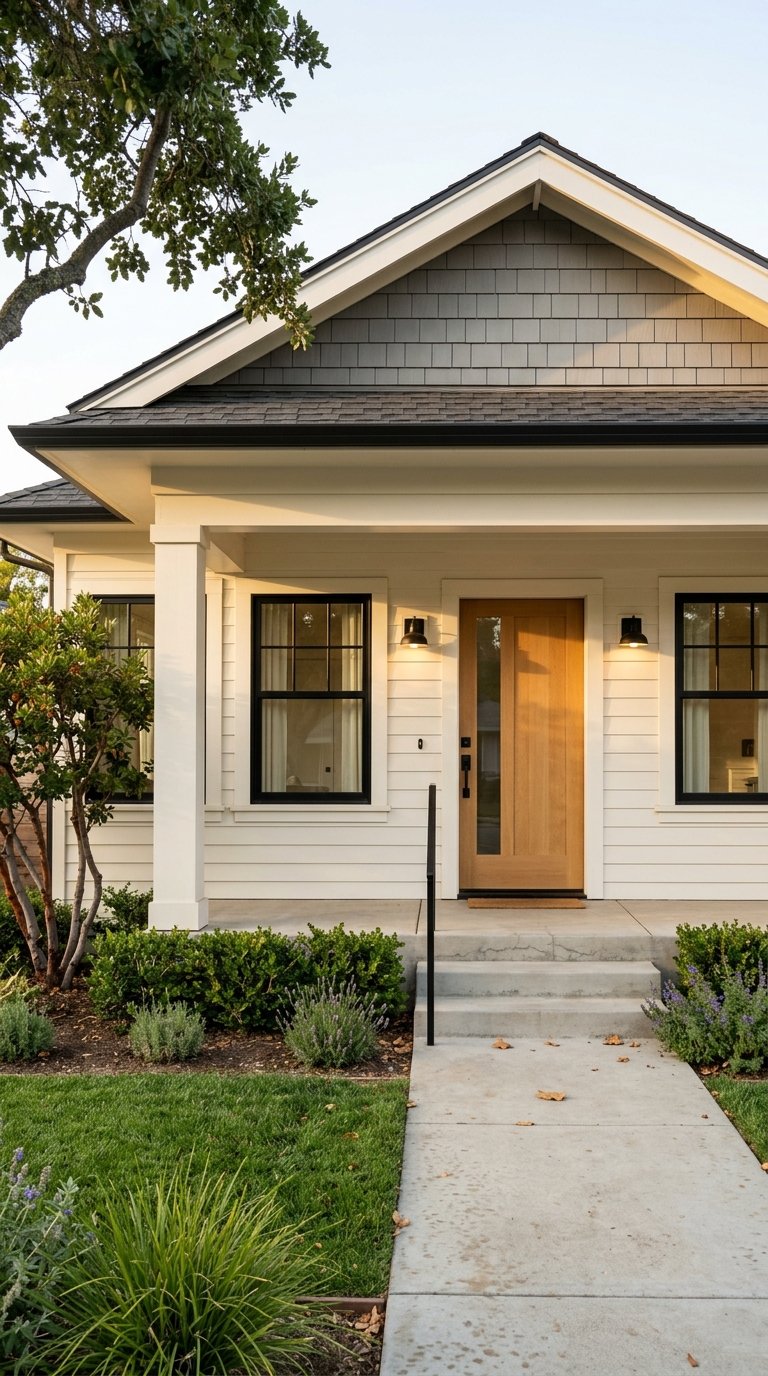
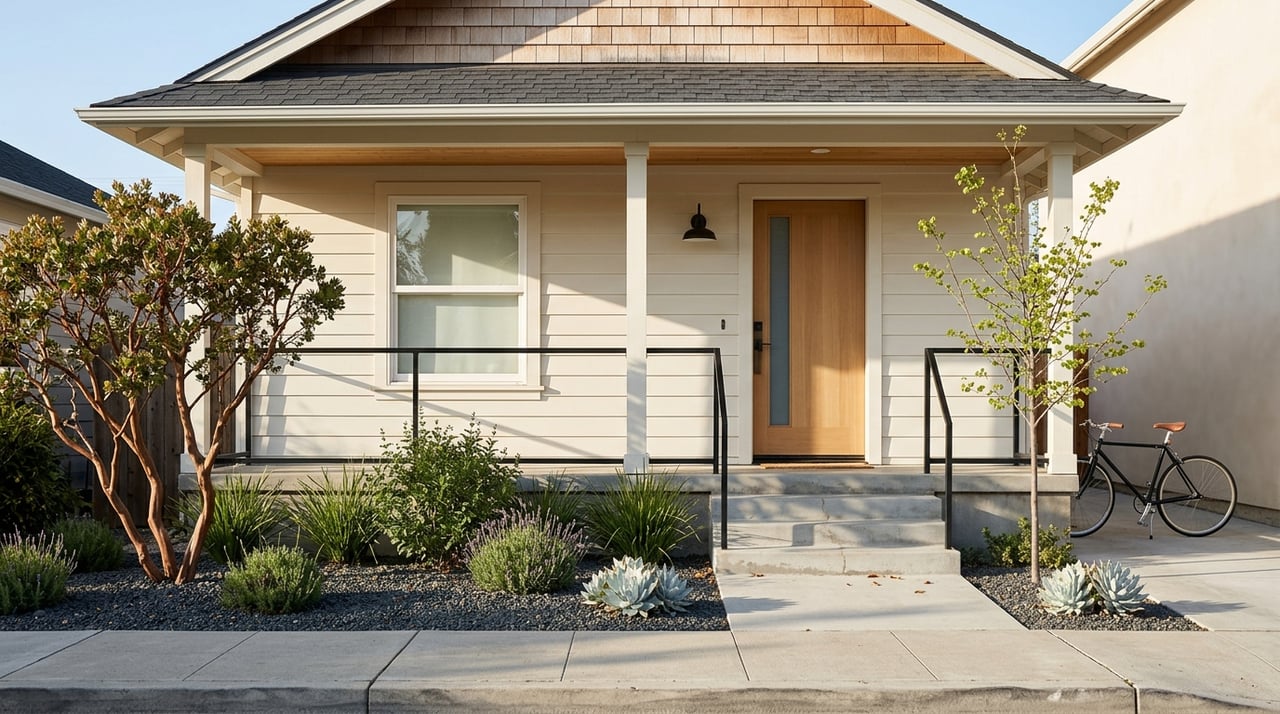
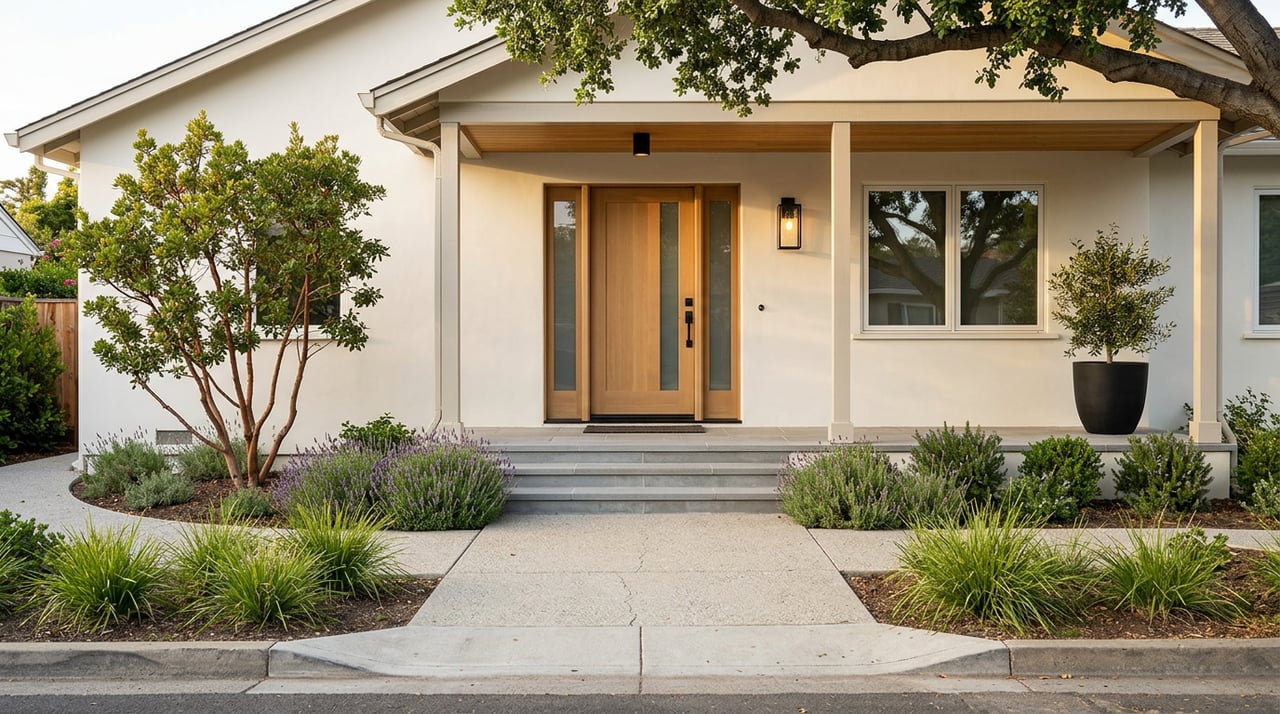
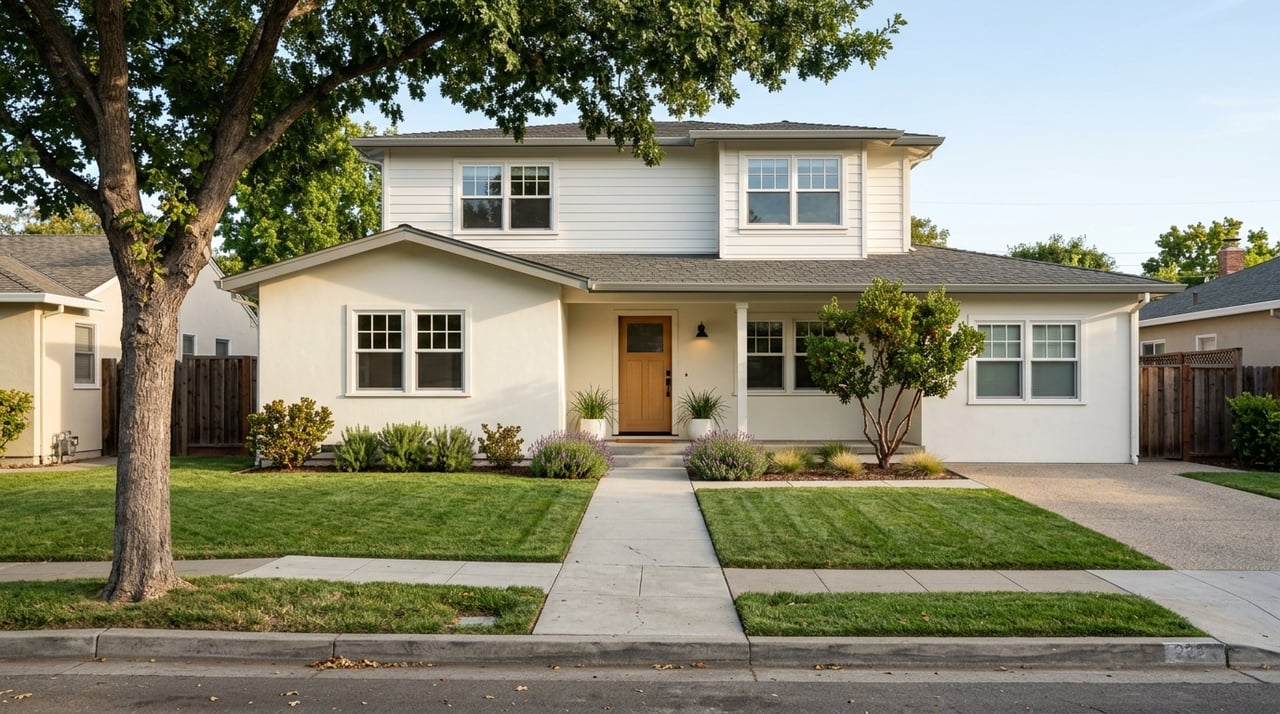
One of Pleasant Hill’s strengths is that it offers more than one type of housing lifestyle. According to the city’s Certified Housing Element, the housing stock is 59.9 percent single-family detached, 10.9 percent single-family attached, 7.0 percent small multifamily, 21.6 percent larger multifamily, and 0.6 percent mobile homes.
That mix matters because it gives you flexibility. If you are moving up into a traditional house, looking for a lower-maintenance attached home, or considering a condo or multifamily property, Pleasant Hill has a broader menu than some buyers expect.
The city also allows ADUs and JADUs on single-family and multi-family properties. For you, that may open the door to multigenerational living, a guest space, rental income potential, or a more adaptable long-term ownership plan.
What the Market Looks Like
Pleasant Hill is not a bargain market, and that is important to know up front. Redfin’s housing market tracker reported a February 2026 median sale price of $1.175 million and an average market time of 8 days.
The same source set should be read carefully because pricing metrics can vary by method. The research also notes that Zillow’s home-value page places the average home value at $953,772 and says homes go pending in about 29 days, but both data points still support the same overall takeaway: Pleasant Hill remains a relatively expensive and competitive East Bay market.
If you are buying, that means preparation matters. If you are selling, it suggests that strong pricing, presentation, and timing can still make a meaningful difference in how your home performs.
Commute and Transit Access
For many buyers, Pleasant Hill’s location is one of its biggest selling points. The city highlights its position along I-680, and that direct freeway access can make regional travel simpler for work, errands, and visiting other parts of the East Bay.
Transit is also part of the picture. The Pleasant Hill/Contra Costa Centre BART station connects to Oakland stations including 19th Street, MacArthur, Lake Merritt, and West Oakland, along with San Francisco stations such as Embarcadero, Montgomery Street, Powell Street, Civic Center/UN Plaza, and Daly City.
Local commuting patterns show a community that still leans car-oriented, but not isolated from transit. City demographic materials report that 72.6 percent of workers drive alone, 13.2 percent use public transportation, and 9.3 percent work from home, which can be helpful if you want options rather than relying on one mode of travel.
County Connection bus service adds another layer of access. Routes that include Pleasant Hill BART include the 316 Martinez Amtrak/BART Pleasant Hill route and the 619 Oak Grove Middle/Pleasant Hill BART route.
Parks and Outdoor Amenities
If outdoor access matters to you, Pleasant Hill has a well-developed recreation system. The Pleasant Hill Recreation & Park District serves more than 40,000 people and manages parks, open space, and recreation programs.
A few notable options include:
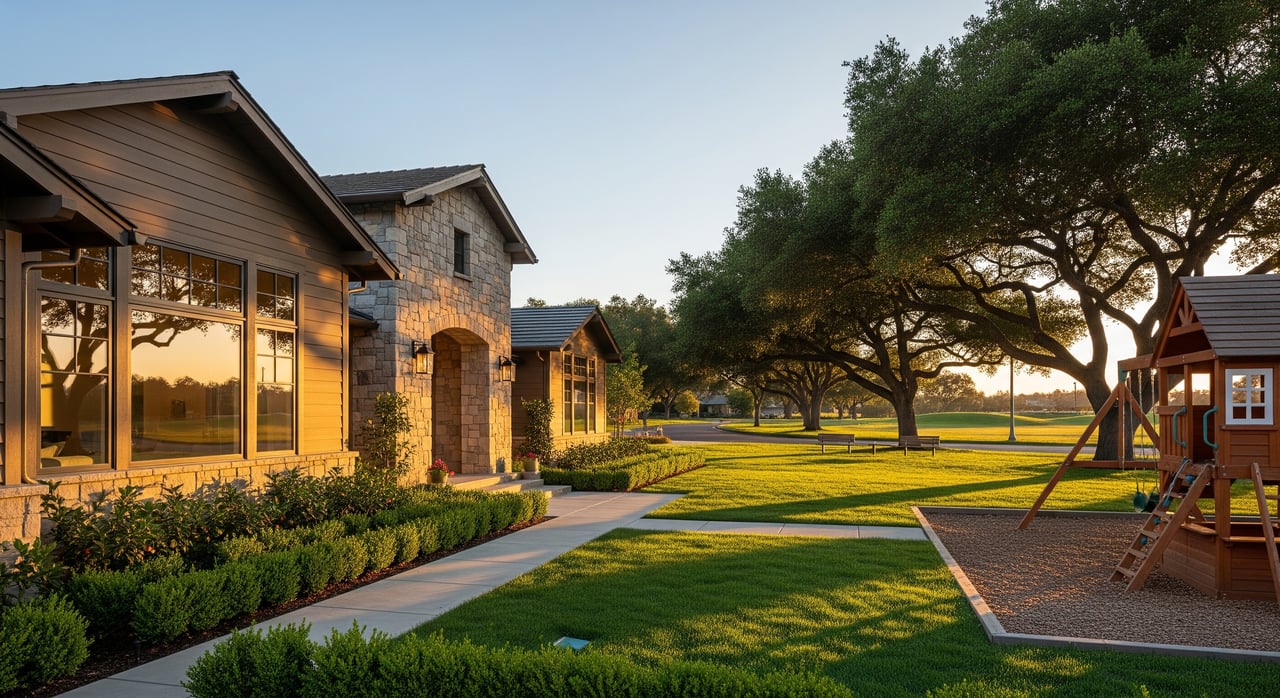
- Pleasant Hill Park, a 16.5-acre park with an aquatic park, community gardens, picnic areas, playgrounds, and sports fields
- Pleasant Oaks Park, an 11-acre park with an ADA-compliant walking path and multiple fields
- Chilpancingo Park, a 2.5-acre passive park
- Paso Nogal Park, with about 63 acres of scenic hiking trails and a fenced dog park
For many households, these kinds of amenities shape how a place feels on an ordinary Tuesday, not just on weekends. Easy access to trails, open space, and recreation programs can add a lot of value to your daily routine.
Downtown and Everyday Convenience
Pleasant Hill’s downtown adds some energy to the city’s suburban base. The city describes Downtown Pleasant Hill as the heart of the community, with restaurants, entertainment, retail, and civic uses, and says the area attracts thousands of visitors regularly.
That balance can be appealing if you want more activity nearby without living in a dense urban core. You can enjoy dining, services, and public spaces while still being based in a city that overall feels more residential.
The downtown area also includes the new Pleasant Hill Library, a 24,000-square-foot county library that opened in 2022. In the Pleasant Hill/Contra Costa Centre area, BART has also highlighted a mixed-use transit village with apartments, restaurants, gyms, bars, office space, and pedestrian and bicycle connections.
What to Know About Schools
Pleasant Hill is within Mount Diablo Unified School District. The district directs families to its school finder and enrollment resources because attendance is address-based, which makes it important to confirm school assignment details for any specific property you are considering.
Local campus examples named in the research include Pleasant Hill Elementary, which serves TK through 5th grade, Pleasant Hill Middle School, and College Park High School, a Pleasant Hill campus serving about 2,000 students in grades 9 through 12. The city also has an Education Commission that acts as an ambassador between the City Council and the school community.
If schools are a major part of your move, it is smart to verify boundaries and enrollment information early in your search. That simple step can save you time and help you compare homes more accurately.
Reasons Buyers Choose Pleasant Hill
Pleasant Hill tends to attract buyers for a handful of practical reasons. It offers a combination of space, convenience, and civic amenities that can be hard to find in one place.
Common reasons buyers are drawn to Pleasant Hill include:
- Central Contra Costa County location
- Access to I-680 and BART
- A housing mix that includes detached and attached homes
- Parks, trails, and recreation programs
- A downtown with restaurants, retail, and civic amenities
- A suburban setting with access to larger job and activity centers
This does not mean it is right for everyone. It means Pleasant Hill works best when your priorities line up with what the city consistently offers.
When Pleasant Hill May Not Be the Best Fit
The best move is not always the most popular one. Pleasant Hill may be less ideal if you want a dense, highly walkable urban neighborhood where most errands happen on foot, or if your budget requires targeting lower-priced East Bay markets.
Because the housing stock leans heavily toward detached homes and pricing remains strong, your options may look different here than in denser or more affordable communities. If you are clear about your must-haves from the start, it becomes much easier to decide whether Pleasant Hill truly fits your goals.
How to Decide if Pleasant Hill Is Right for You
A move works best when it supports your real life, not just your wish list. As you evaluate Pleasant Hill, focus on the factors that affect your daily experience most.
Ask yourself:
- How important is freeway and BART access to your routine?
- Do you want a suburban setting or a denser urban feel?
- Are you looking for a detached home, condo, or multifamily property?
- Would parks, trails, and recreation programs improve your day-to-day life?
- Are you comfortable with Pleasant Hill’s price point and competition level?
- Do you want downtown amenities nearby without living in a major city center?
If your answers lean toward convenience, flexibility, and a calmer East Bay setting, Pleasant Hill may be a very smart move. If you want help weighing Pleasant Hill against other East Bay options, Myron Potter offers calm, clear guidance to help you compare neighborhoods, understand market conditions, and move forward with confidence.
FAQs
Is Pleasant Hill a suburban or urban area?
- Pleasant Hill is generally considered a suburban city, and the city describes it as centrally located with a small-town feel and a vibrant downtown.
Is Pleasant Hill expensive for homebuyers?
- Yes. Research cited here shows a February 2026 median sale price of $1.175 million on Redfin, and other market data also points to a relatively expensive East Bay market.
Does Pleasant Hill have BART access for commuters?
- Yes. Pleasant Hill is served by the Pleasant Hill/Contra Costa Centre BART station, which connects to Oakland, San Francisco, and other regional destinations.
What kinds of homes are common in Pleasant Hill?
- Pleasant Hill’s housing stock includes mostly single-family detached homes, along with attached homes, small multifamily properties, and larger multifamily buildings.
Are there parks and recreation options in Pleasant Hill?
- Yes. The Pleasant Hill Recreation & Park District manages parks, open space, and recreation programs, including Pleasant Hill Park, Pleasant Oaks Park, Chilpancingo Park, and Paso Nogal Park.
How do school assignments work in Pleasant Hill?
- Pleasant Hill is in Mount Diablo Unified School District, and attendance is address-based, so you should confirm school assignment details for any specific property through the district’s school finder resources.