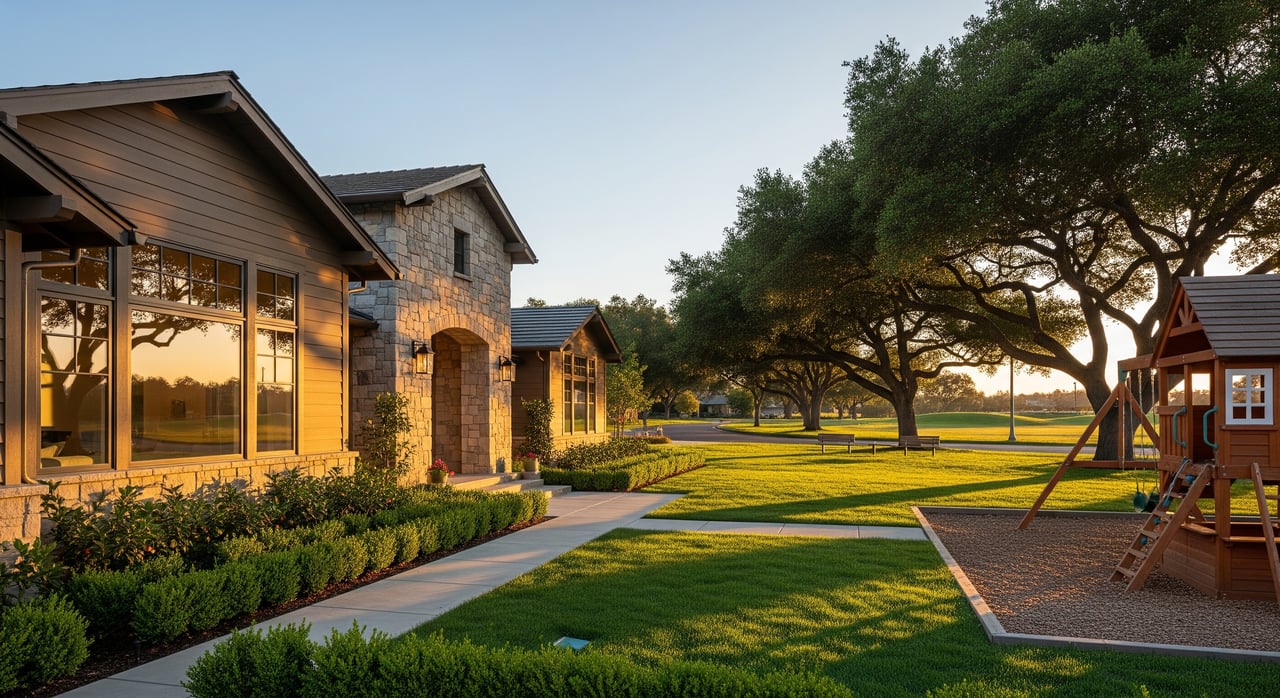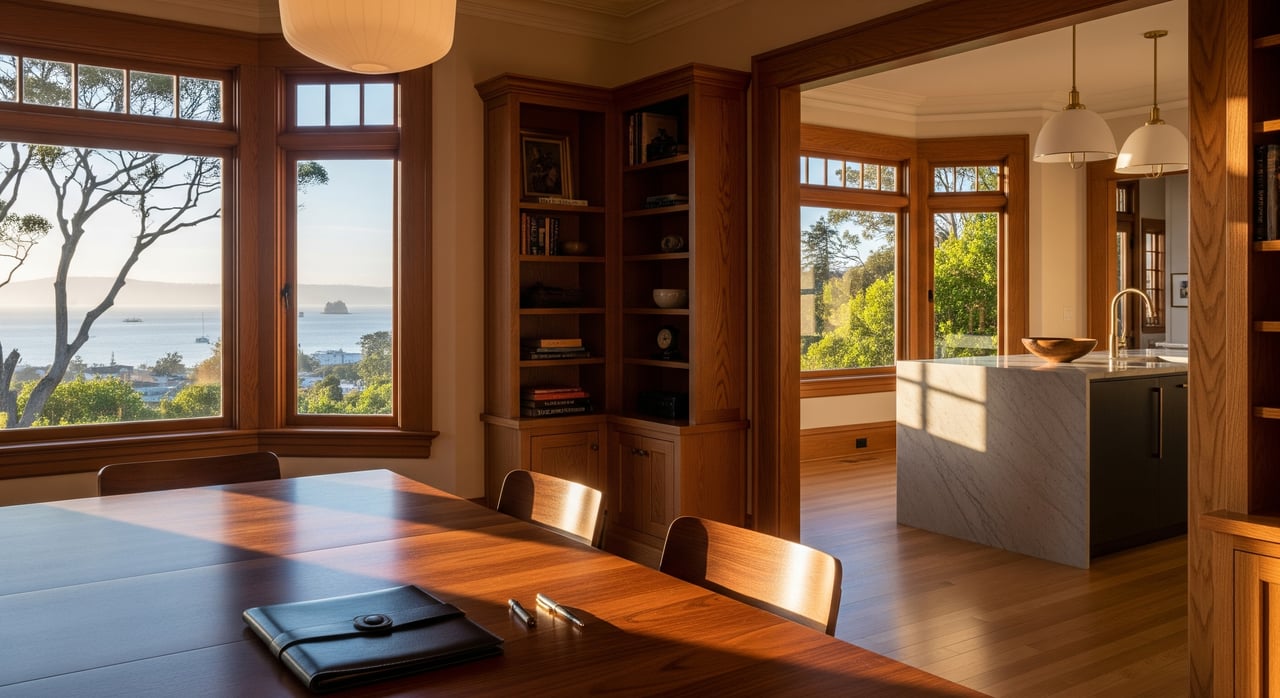
Selling in Piedmont asks a lot of you. The houses are beautiful, buyers expect polish, and small improvements can swing big dollars at this price point. If the idea of fronting cash for staging, paint, and repairs is holding you back, you have options. This guide shows you how Compass Concierge helps you prepare your home with approved work now and repayment at closing, plus which updates matter most in Piedmont and what timelines to expect. Let’s dive in.
Compass Concierge basics
Compass Concierge is a program that fronts the cost of approved home prep so you can list without paying out of pocket first. Covered services typically include staging, deep cleaning, interior and exterior paint, flooring work, kitchen and bath improvements, landscaping, and many common repair items. You approve the scope, vendors complete the work, and you repay when the home closes. Compass describes the program as “zero due until closing,” though terms can vary by state and program variant. You should confirm any fees or interest that apply in California by reviewing the official Compass Concierge program details.
Covered services
Concierge is built for practical, market-facing improvements. Eligible work often includes staging, cleaning and decluttering, paint, flooring repair or refinishing, selective kitchen and bath updates, landscaping, roof repairs, HVAC and electrical work, plumbing items, sewer-lateral inspections and remediation, pest control, and moving or storage. Scope and vendor approval is required before work begins, so plan your list with your agent, confirm the budget, and lock the vendor lineup early.
Who pays and when
In many markets, Concierge uses a pay-at-close loan structure so you don’t make monthly payments. You repay from sale proceeds at closing, or earlier if the listing agreement is terminated or after a defined program period, often 12 months. These mechanics and any exceptions are spelled out in the program materials and loan agreement. Always read the disclosures so you understand triggers and timing.
Financing details
Notable Finance and limits
Compass commonly partners with Notable Finance to provide pay-at-close funding that is subject to credit approval. Notable markets a line up to $50,000 with nothing due until closing for the period the loan is outstanding. Terms and eligibility are set by the lender, not Compass, so you should confirm the specific details for your situation on Notable’s site.
Triggers and disclosures
Repayment typically comes due at sale closing, if you end the Compass listing, or at the 12-month mark from the start date, whichever comes first. Program features can vary by state. Compass provides affiliated business disclosures and outlines any optional bundle credits for affiliated services. For program scale context, company filings have reported average Concierge project sizes in the low tens of thousands, which helps right-size expectations for the scope of typical projects. You can review these notes in Compass’s SEC filings. Outcomes and costs vary, so use your agent’s guidance and the loan agreement as your source of truth.
Piedmont upgrades that matter
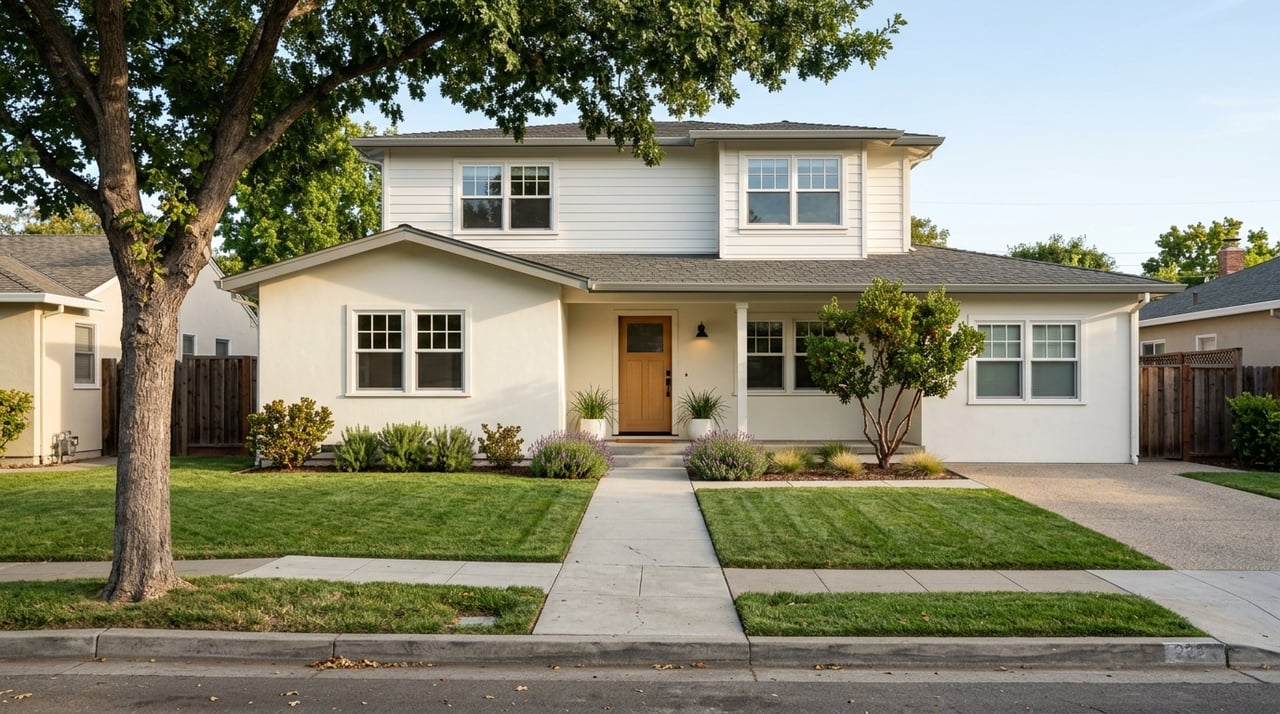
Piedmont is a small, high-demand East Bay enclave where typical home values sit well above county averages. In this price range, even modest percentage improvements can translate into large absolute dollars. That is why a focused prep plan often pays off.
Stage for photos
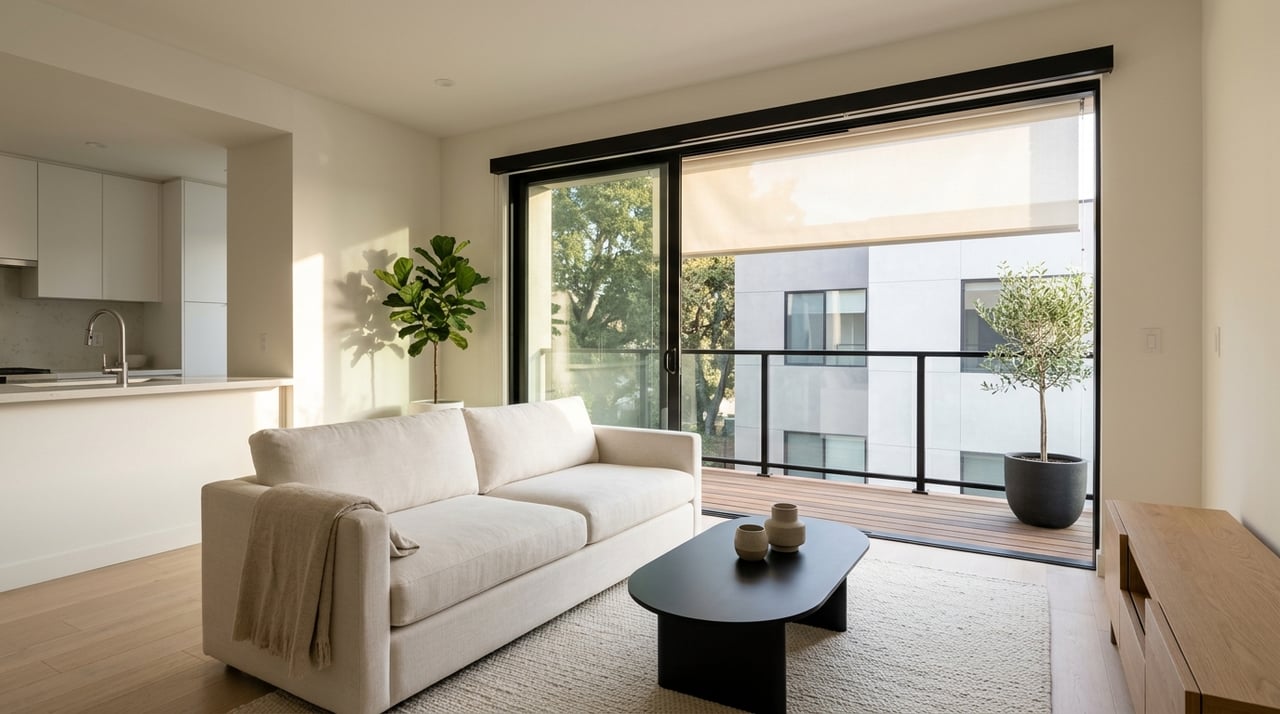
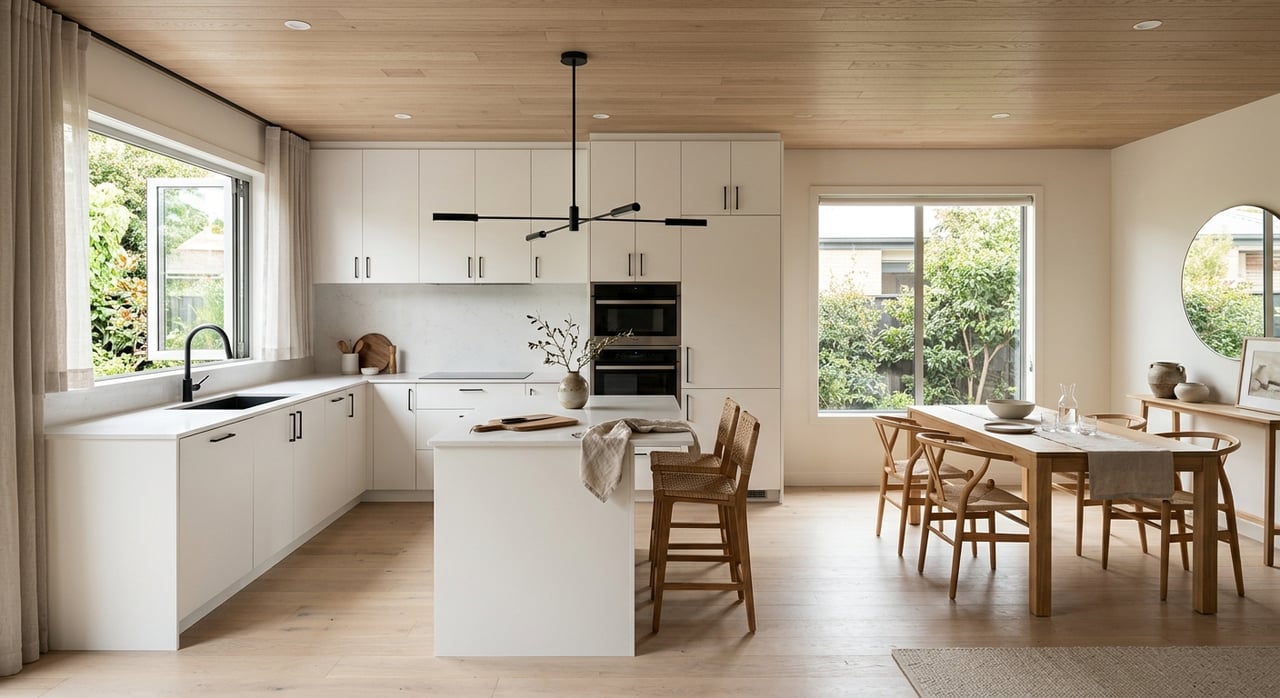
Professional staging shapes how buyers experience your home online and in person. The National Association of Realtors reports that staging helps buyers visualize a property and many agents see shorter days on market and modest price uplifts, though results are not guaranteed. Given Piedmont’s price point and digital-first browsing, staging is usually a top allocation for Concierge funds. Review the NAR guidance on staging to understand the typical benefits.
High return cosmetics
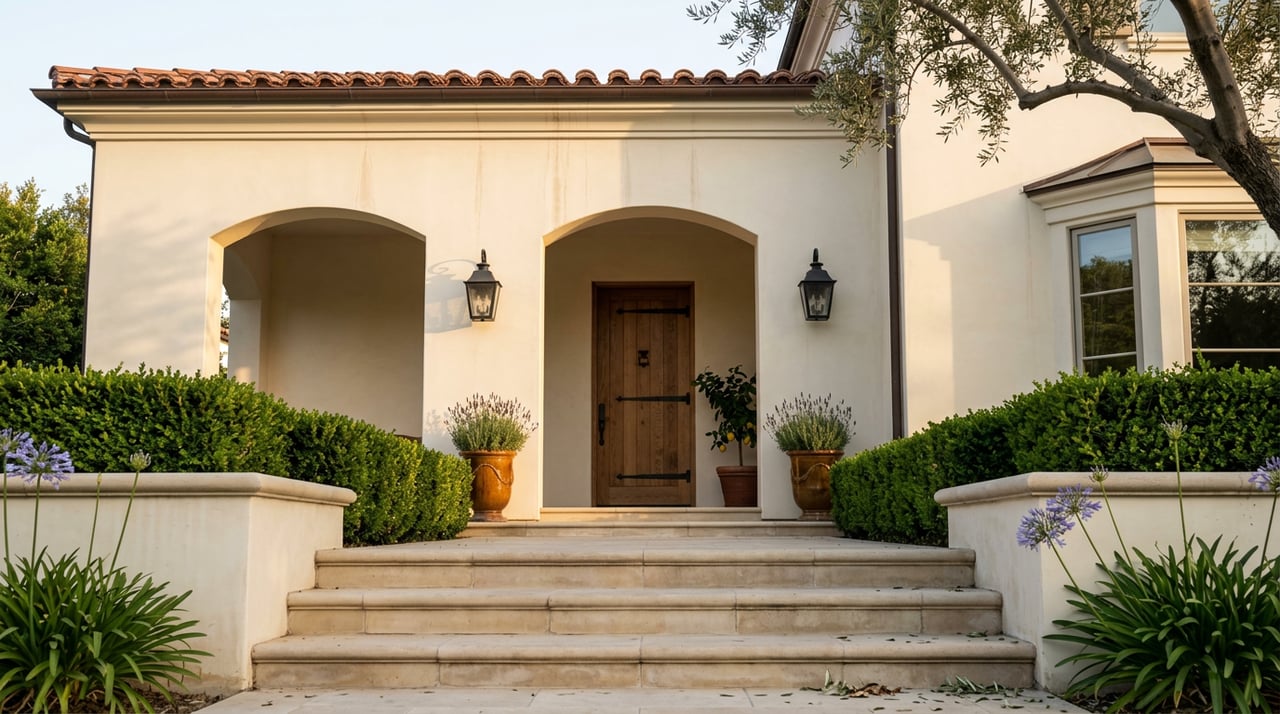
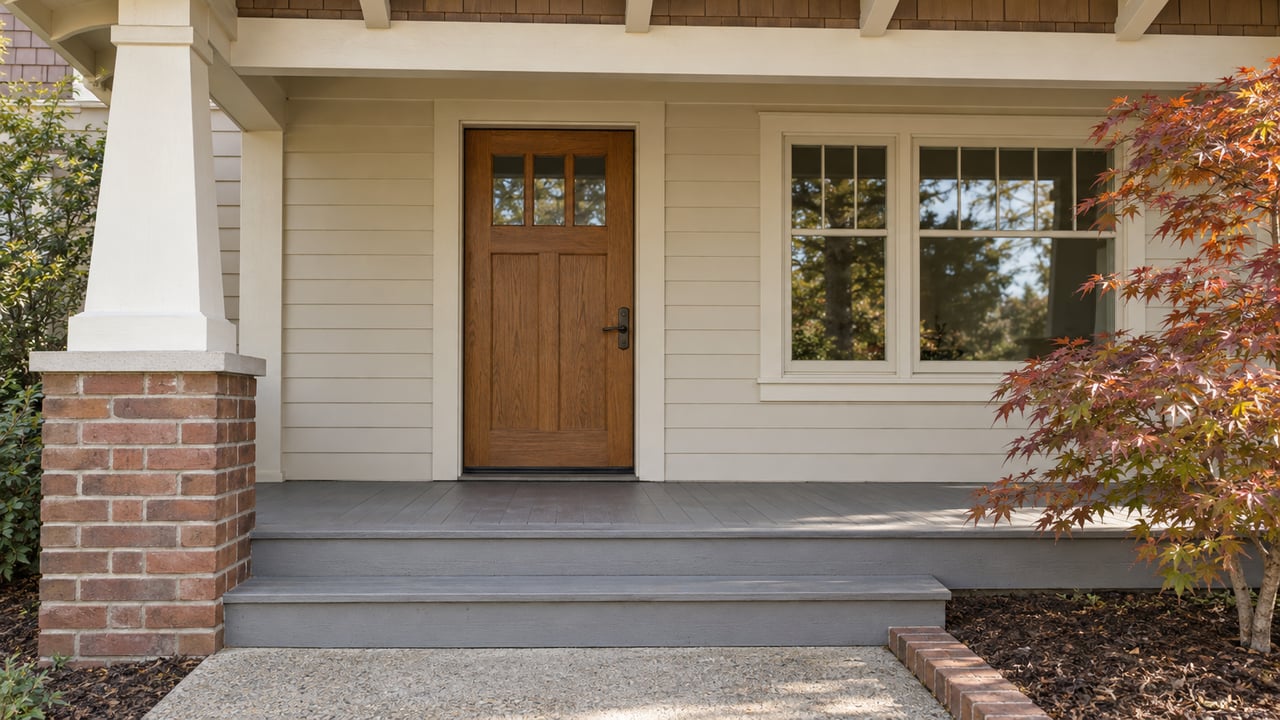
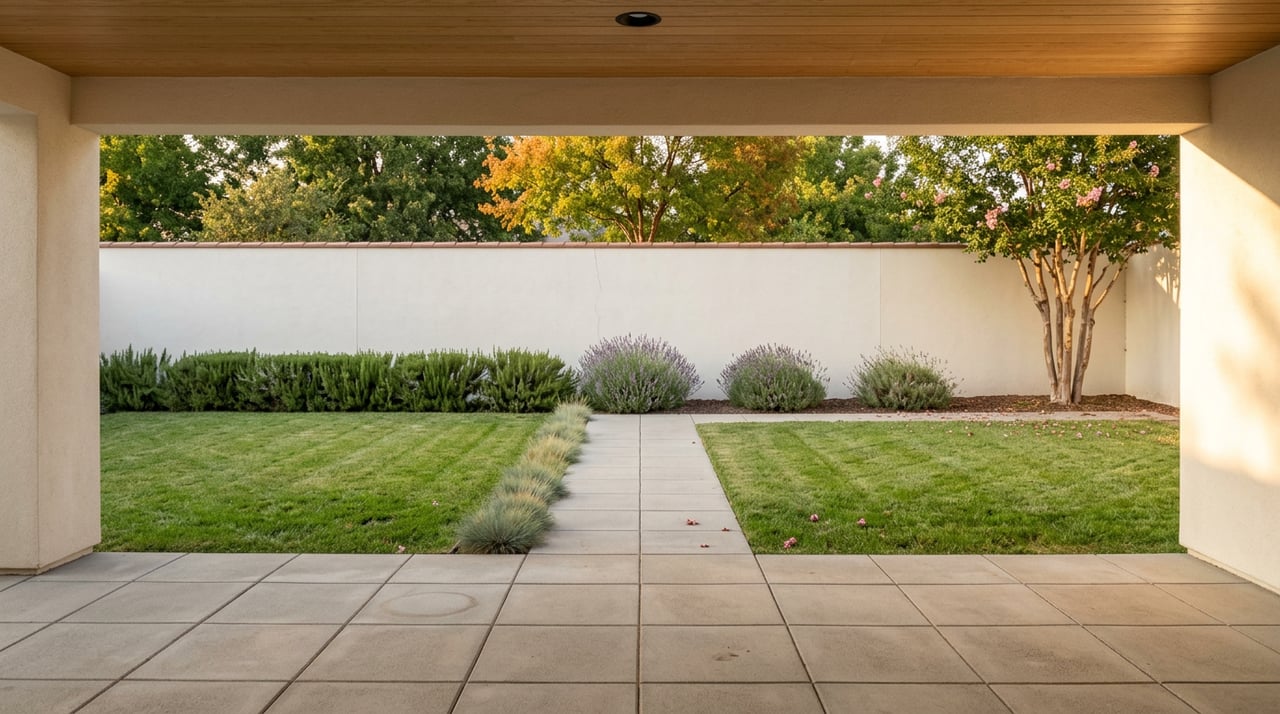
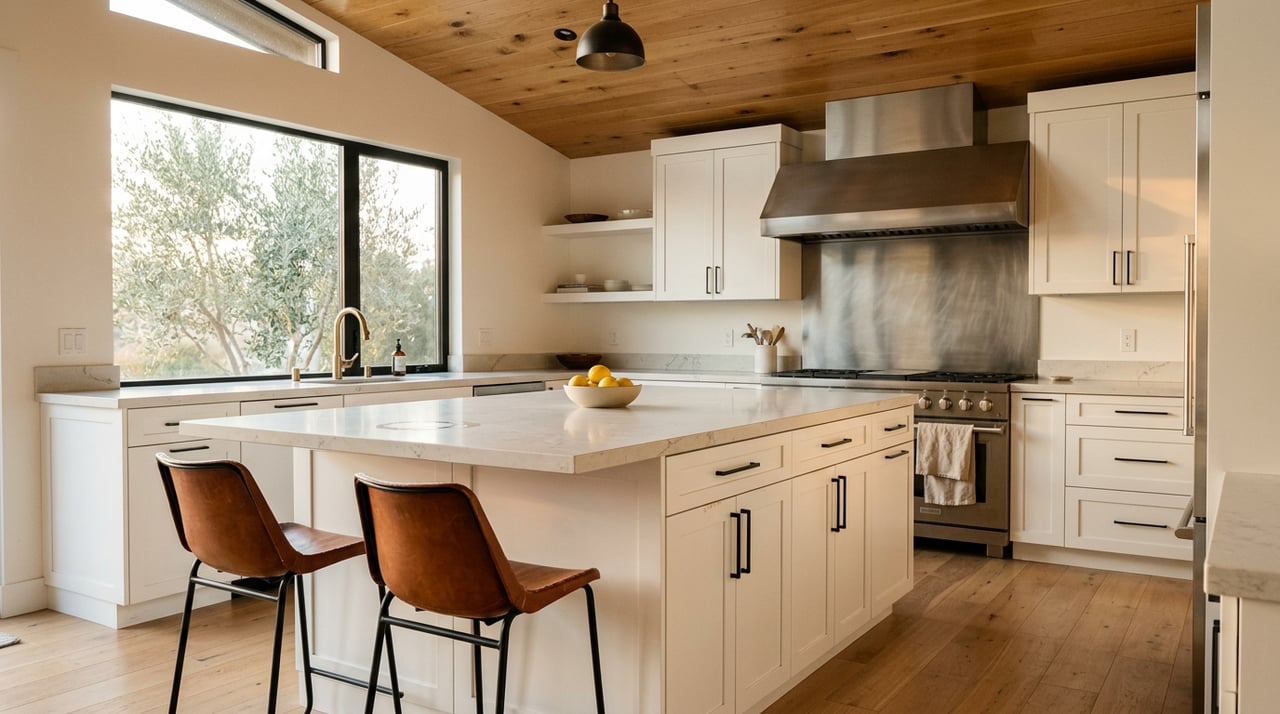
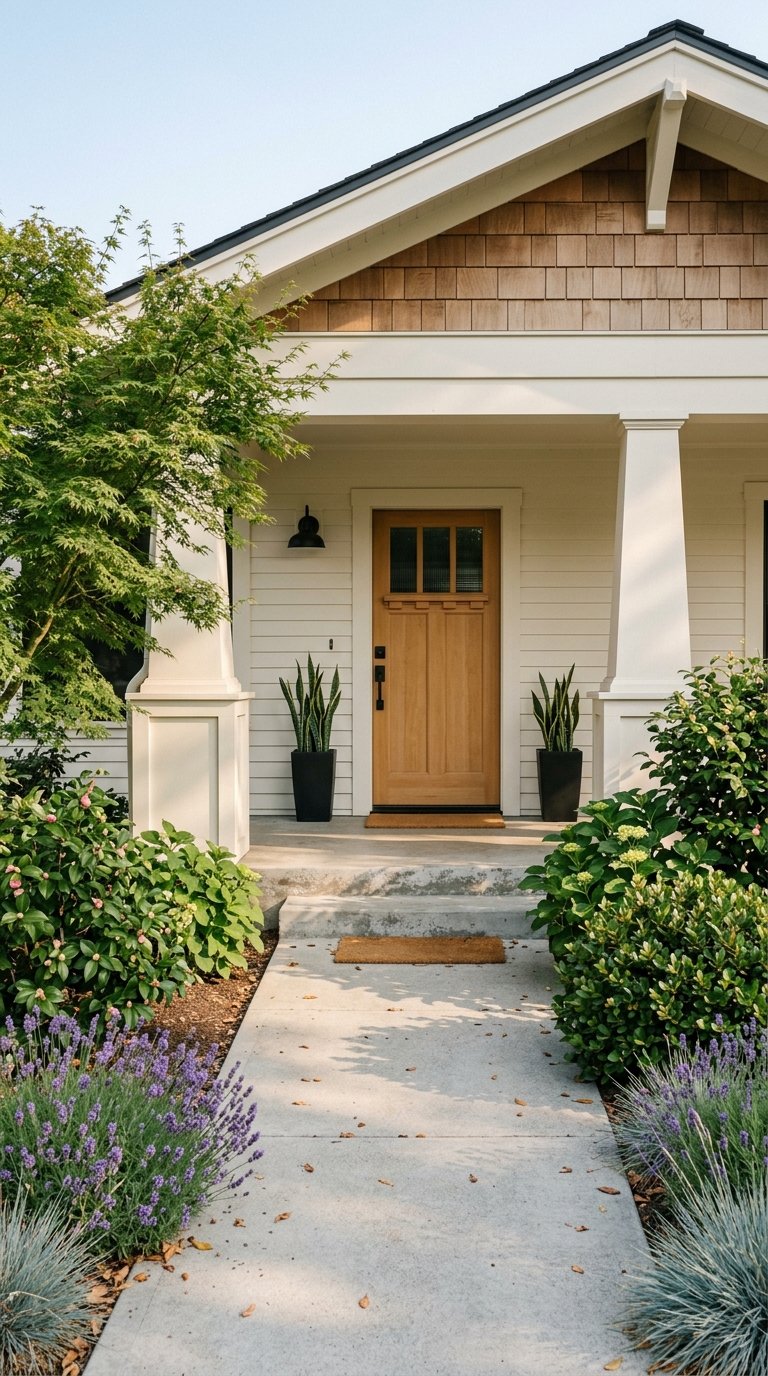
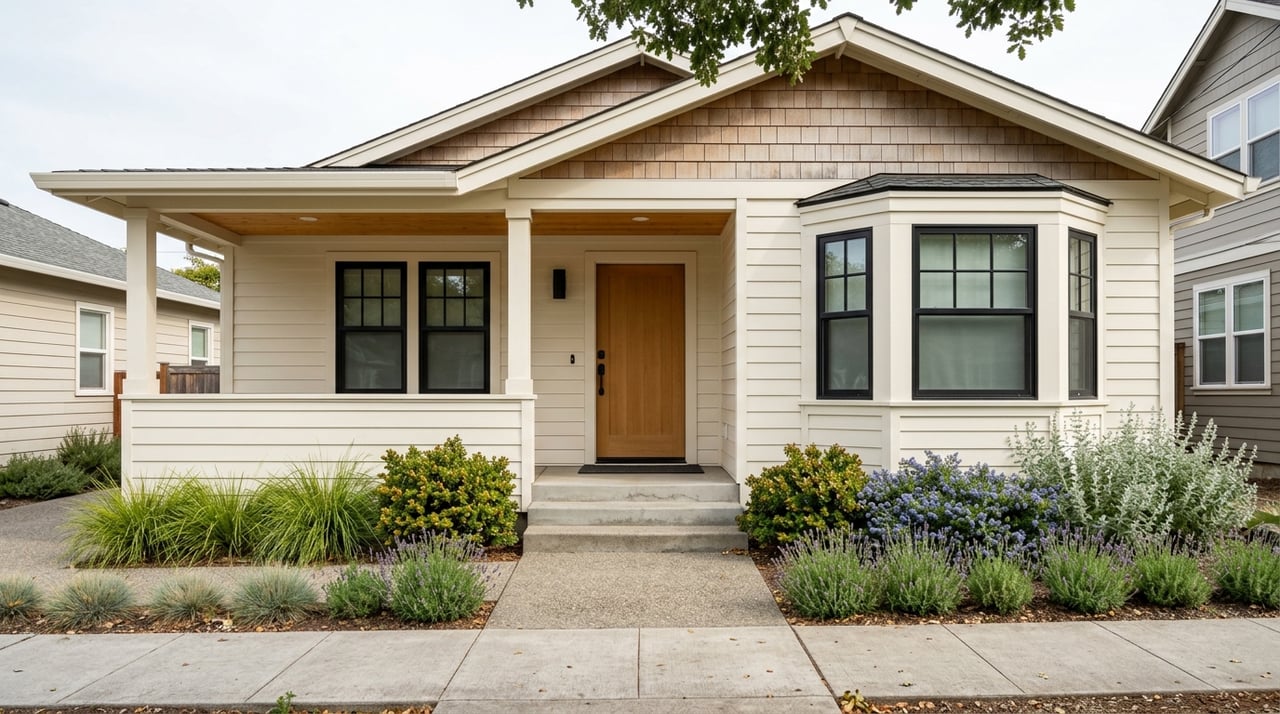
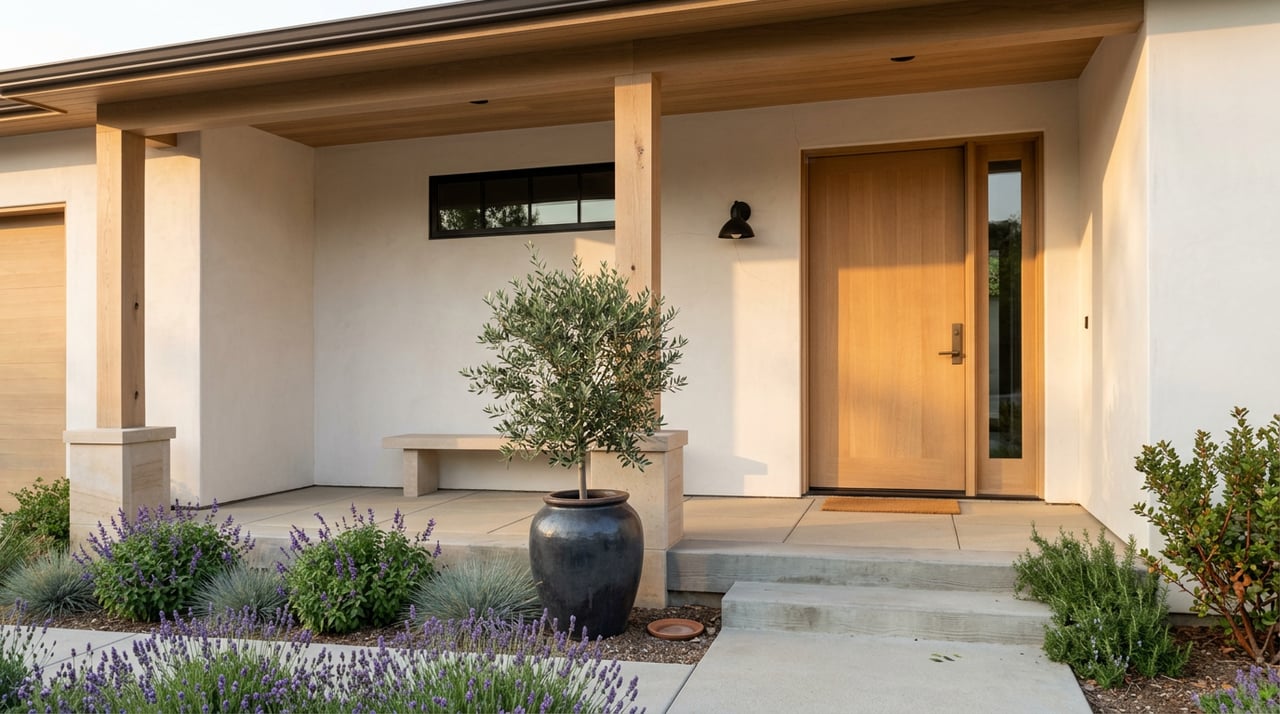
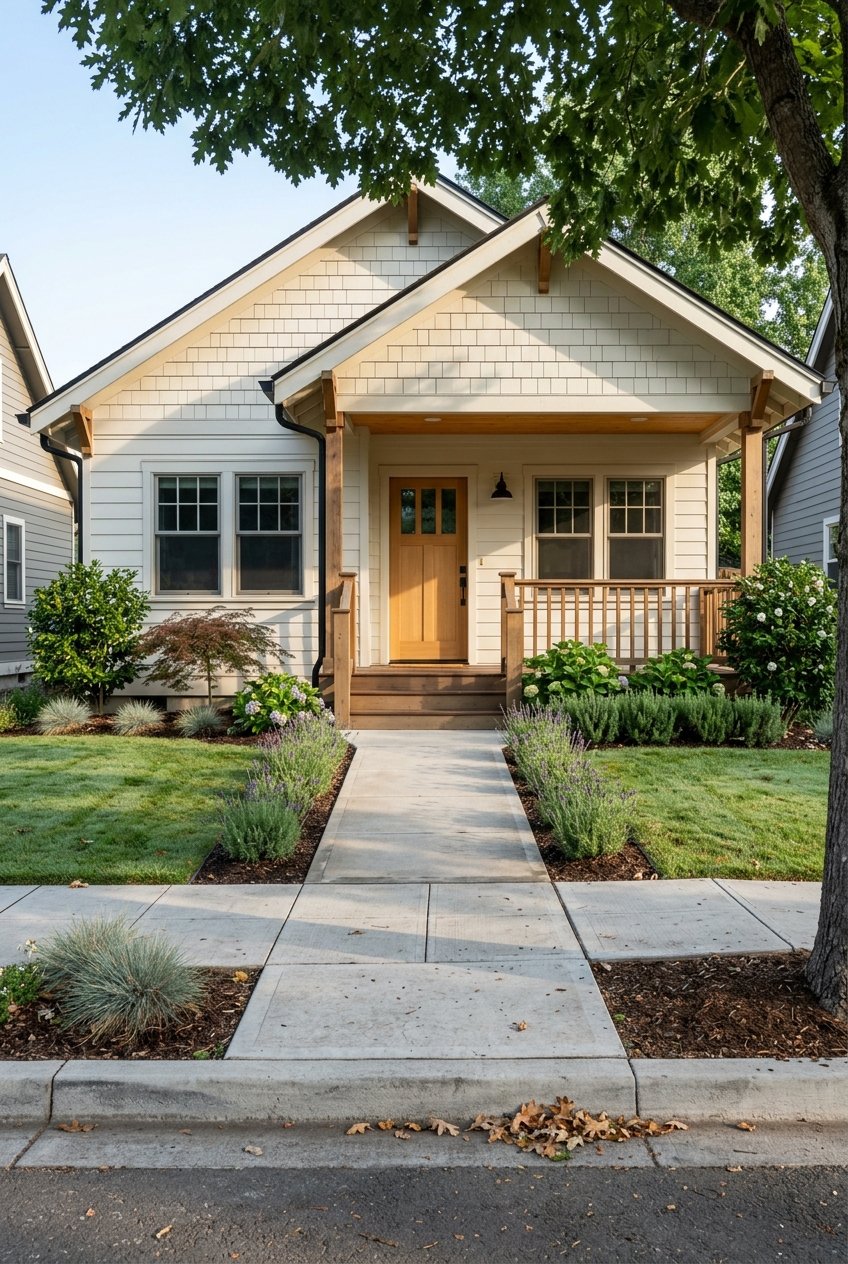
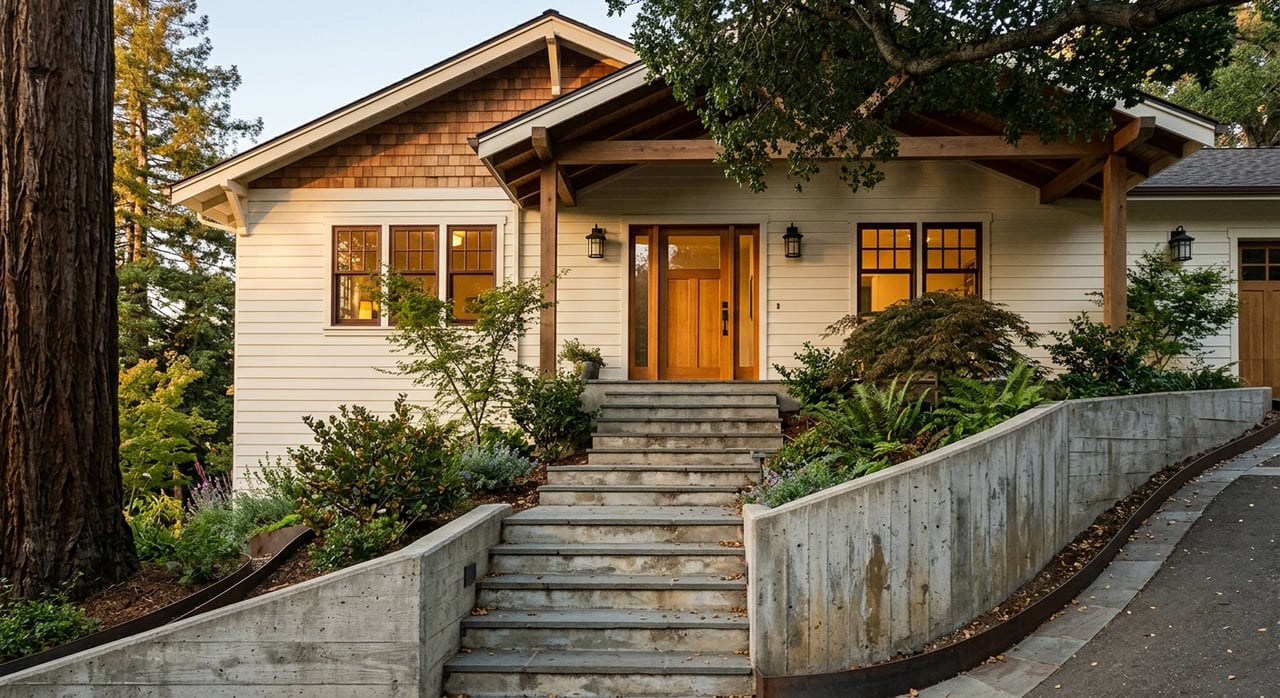
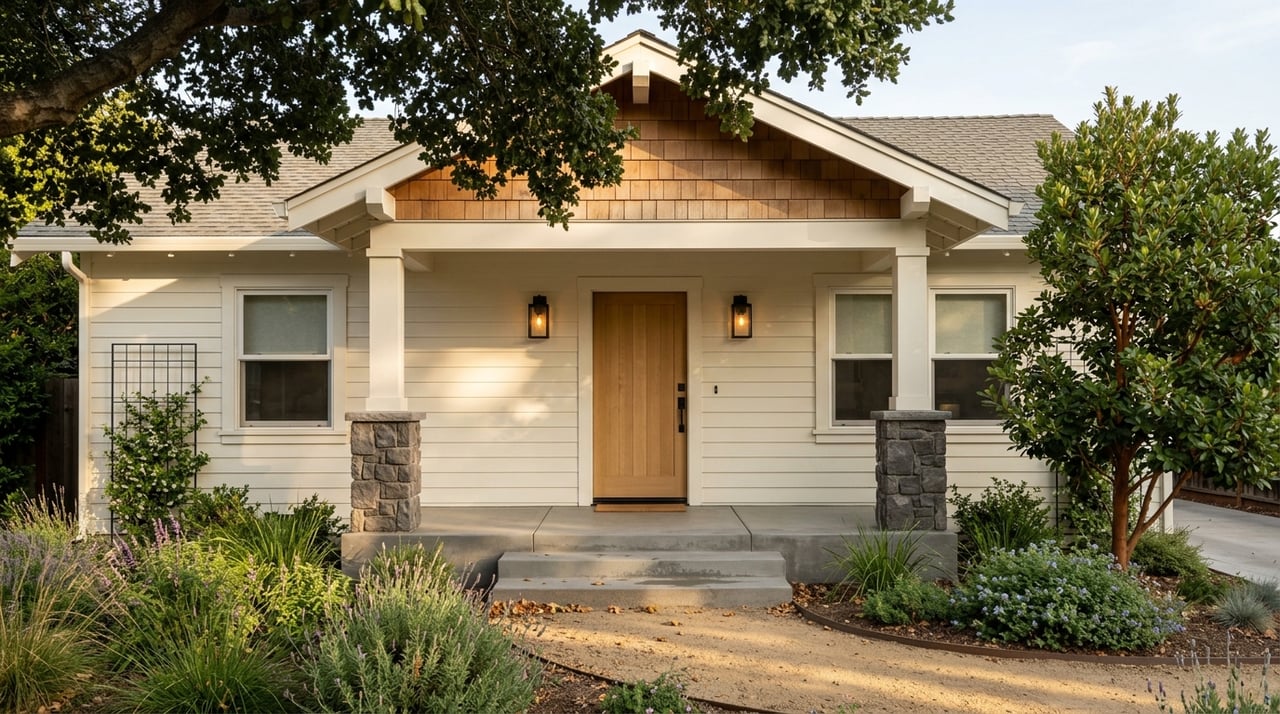
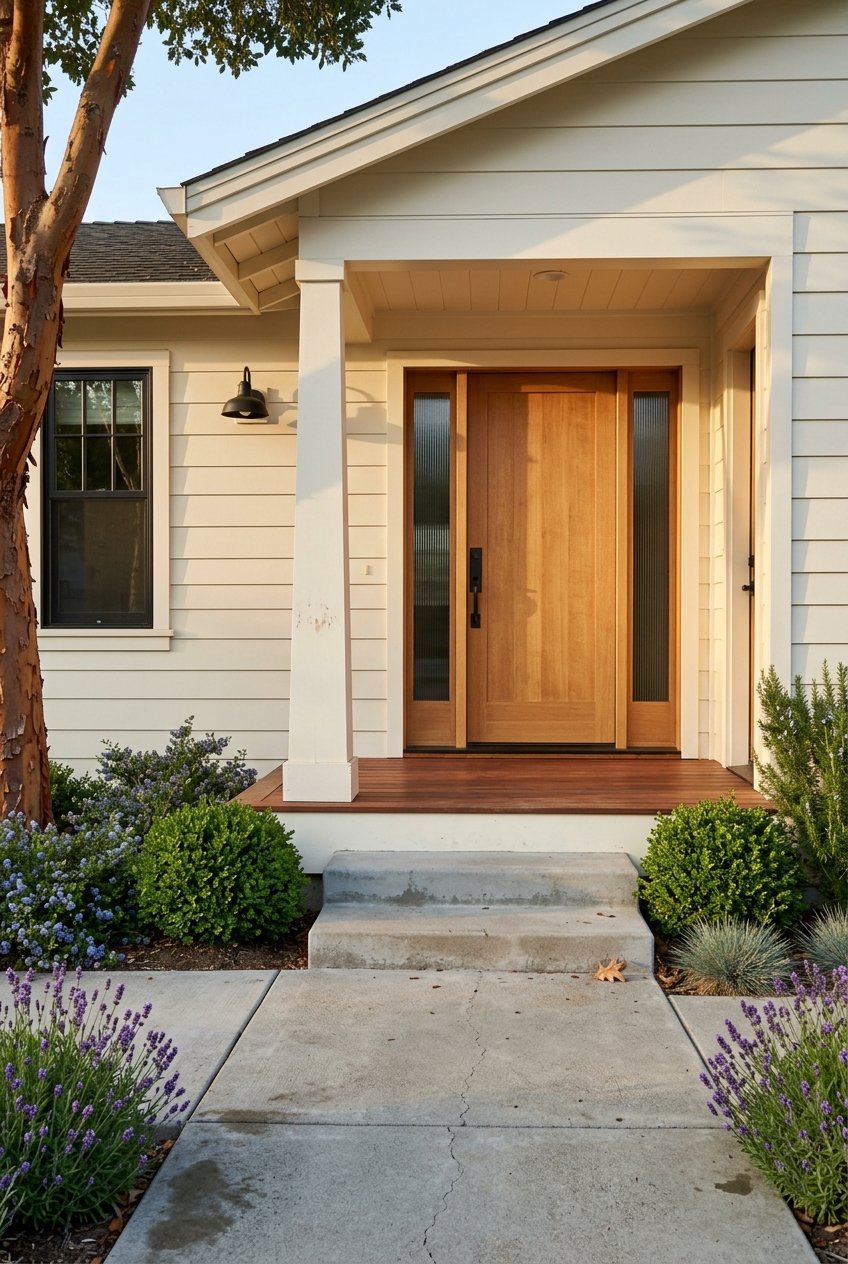
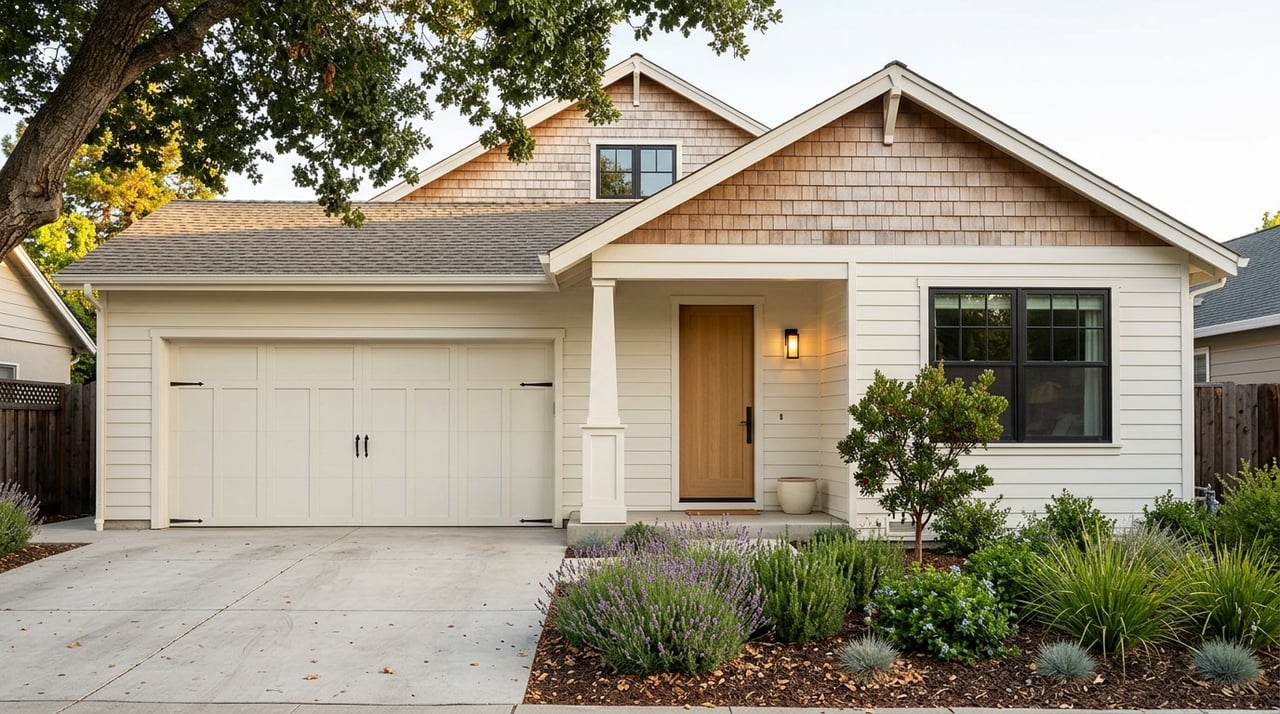
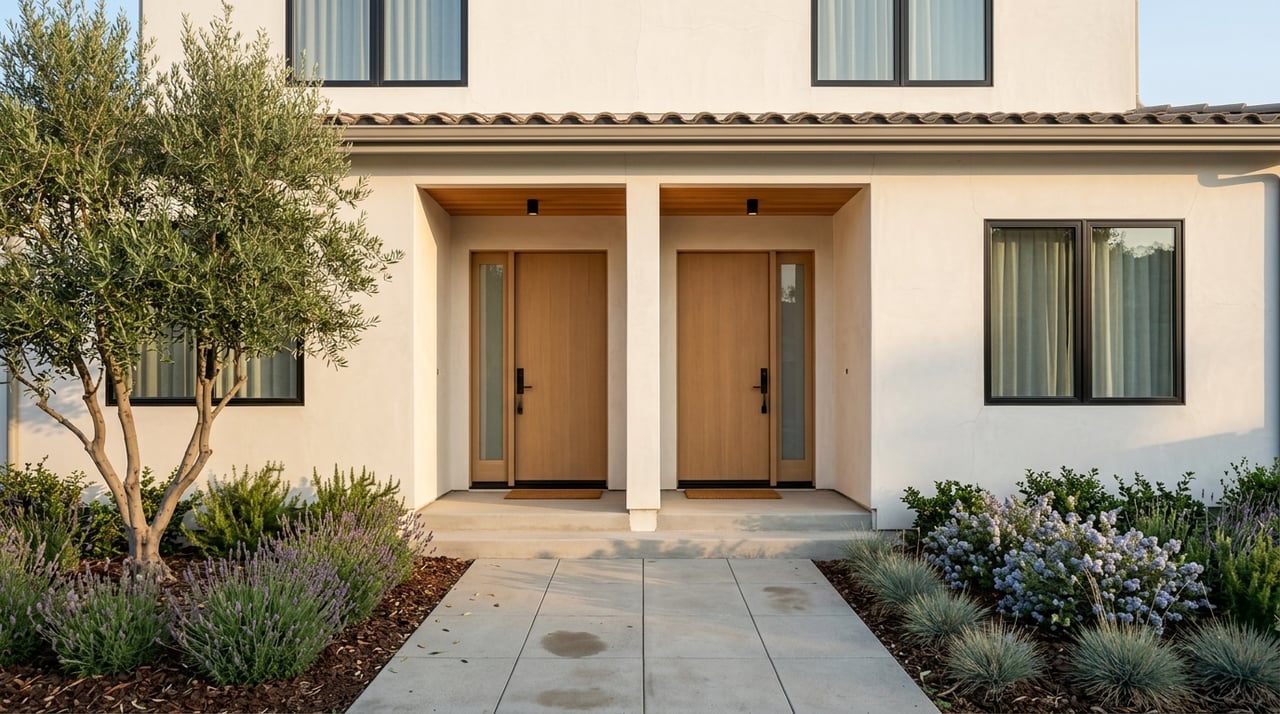
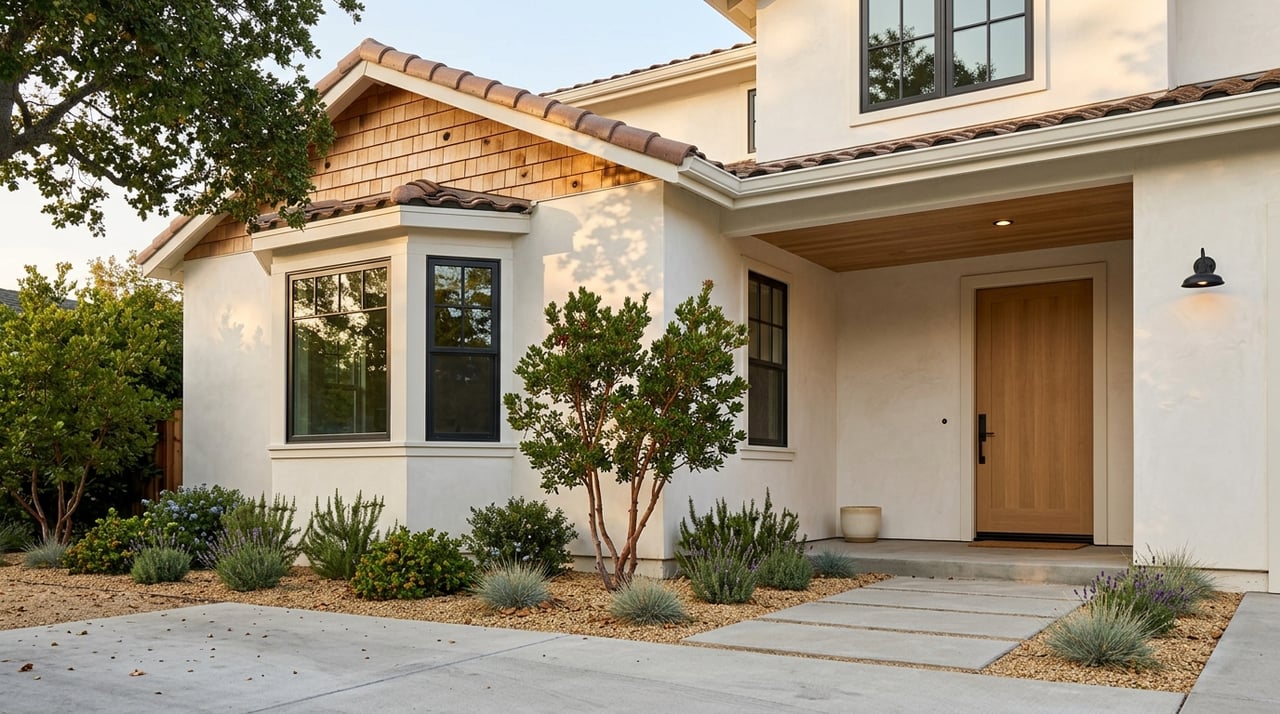
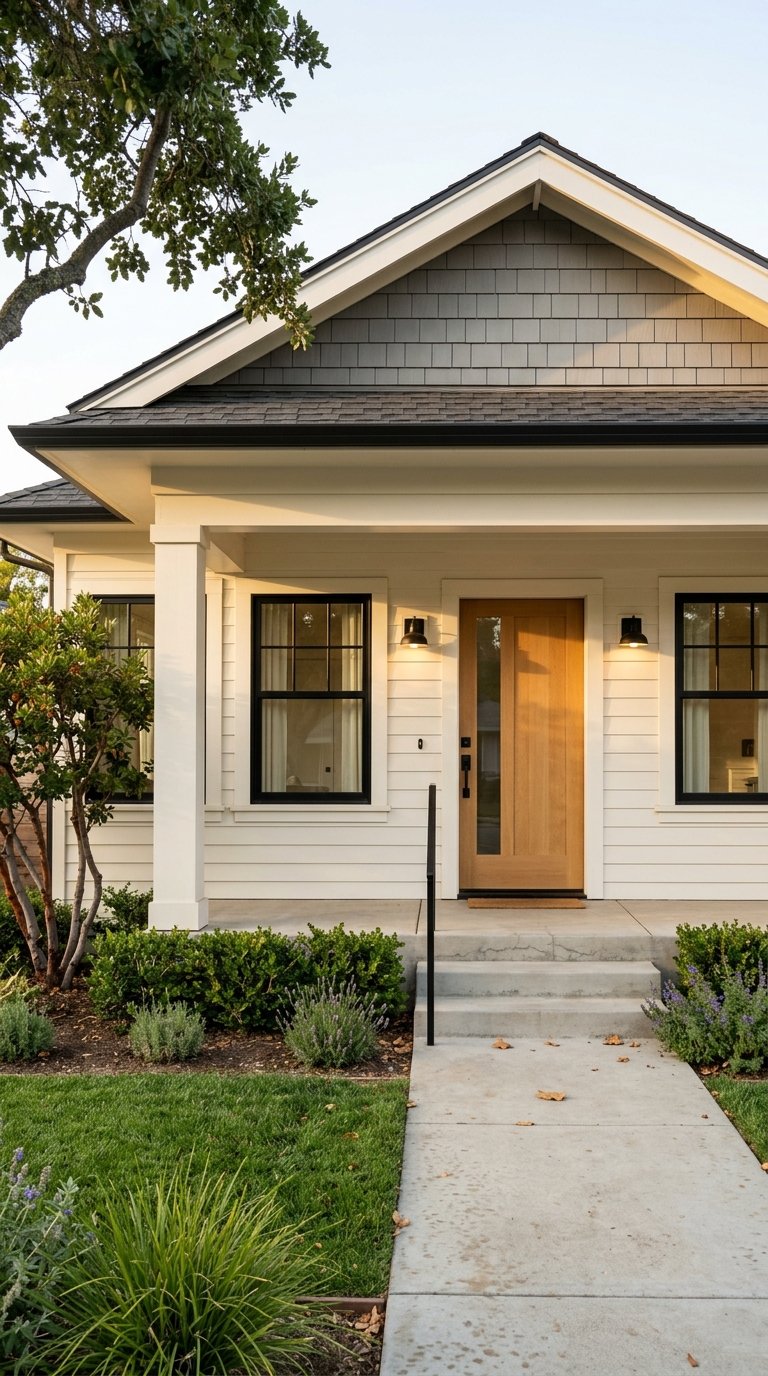
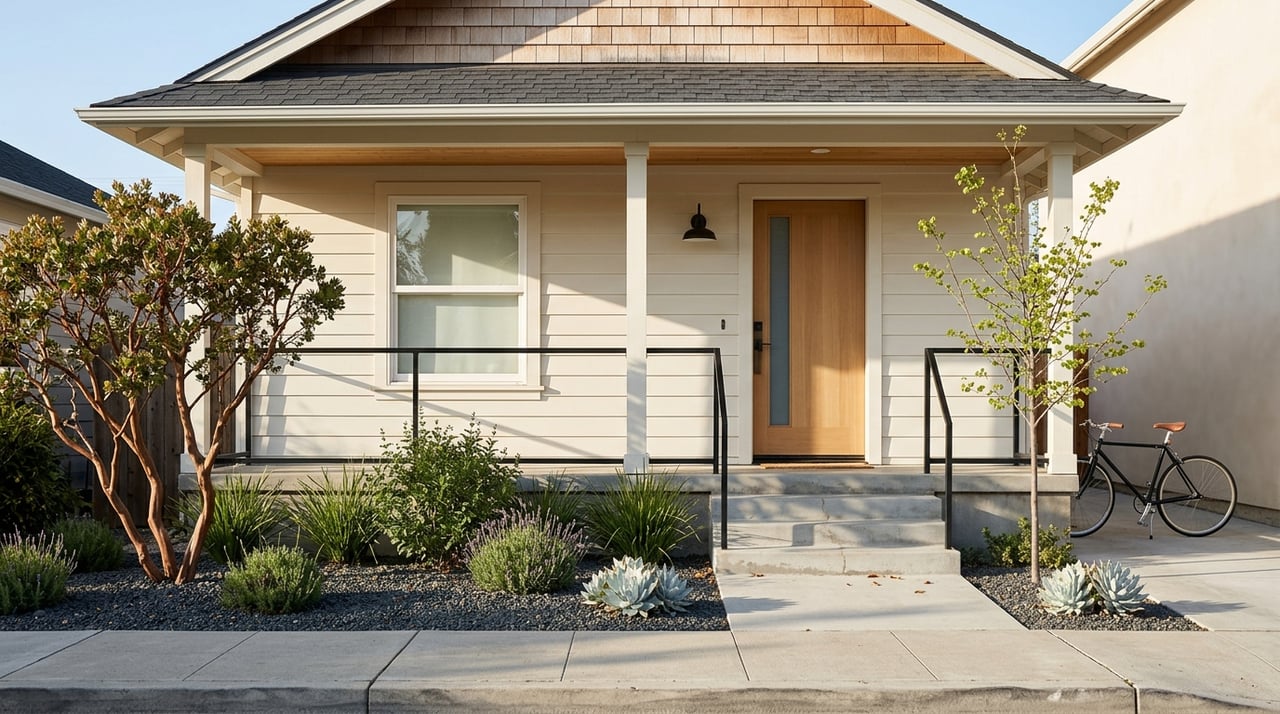
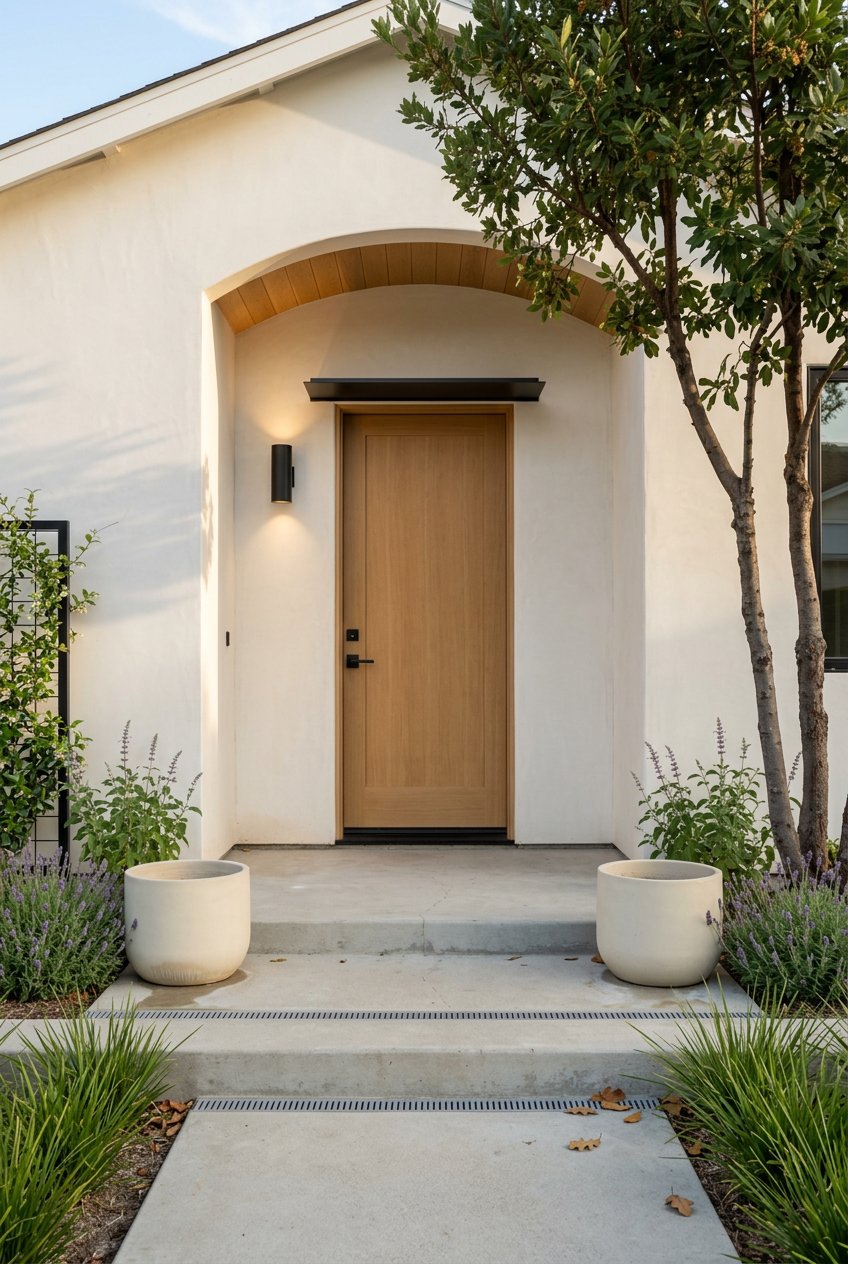
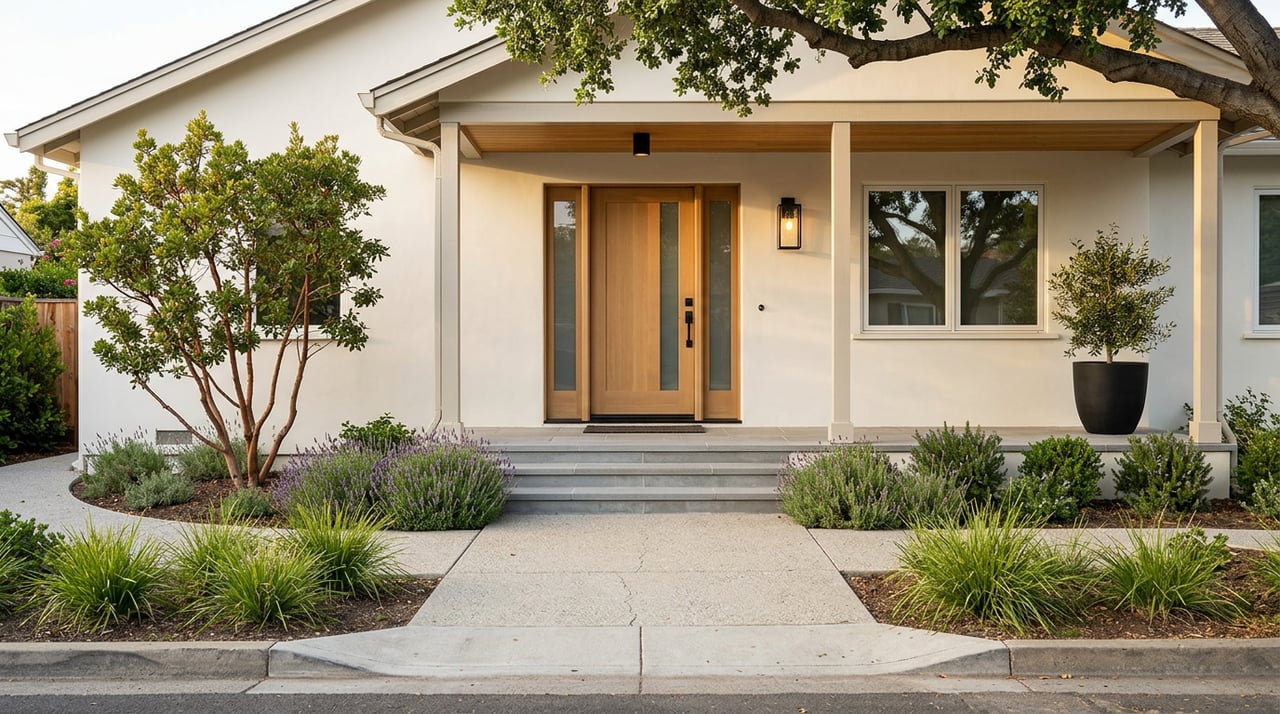
Cost-versus-value research shows that simpler, high-impact projects tend to recoup the most. In national and Pacific region data, items like minor kitchen remodels, hardwood refinishing, and curb-appeal upgrades such as entry or garage doors often perform best, while major luxury additions usually recoup less. Use this to guide a list that modernizes without over-improving for the neighborhood. See the latest Cost vs. Value report for planning benchmarks.
Systems and PSL
Many Piedmont homes are older, and buyers expect basic systems to be sound. Addressing electrical items, visible roof issues, and HVAC problems can reduce negotiation risk even if the pure cost recoup is lower. In our region, the East Bay Private Sewer Lateral program often triggers inspection and certification during transfers. Planning a PSL test early, and handling any needed remediation, keeps escrow moving. Learn the local rules at the East Bay PSL program site.
Timelines and budgets
A realistic calendar
From first walkthrough to live listing, your timeline depends on scope, vendors, and permits. A common sequence looks like this: a 1 to 7 day consultation and scope setting, quick lender prequalification if you use pay-at-close, then vendor scheduling. Short cosmetic work such as staging, paint, and deep cleaning often wraps in days to 2 weeks. Flooring or midrange kitchen refreshes can take multiple weeks. After work is complete, staging, photography, and MLS preparation usually add another 1 to 2 weeks. For a typical Concierge project, plan on roughly 3 to 10 weeks from approval to listing, with buffers for vendor availability. Contractor timelines vary, but this remodel and staging timing reference is useful when you build your calendar.
Budget planning
Historically, Concierge projects often land in the low-to-mid tens of thousands, and many agents structure scopes under the practical $50,000 pay-at-close limit mentioned by the lender. For framing, a national benchmark for a minor midrange kitchen project is about $27,500 in the latest Cost vs. Value data. Bay Area bids are often higher than national averages, so use local quotes to fine-tune. You can cross-check broad program scale in Compass’s filings and review additional cost benchmarks in the Cost vs. Value report.
Step by step with Myron
You can expect a clear, coordinated path from first call to live listing.
Phase 1: Plan and prequal
- Schedule a walkthrough to identify high-impact items, safety or system concerns, and priority rooms.
- Decide whether to use Concierge’s pay-at-close option and, if so, complete the quick prequalification with the lender.
Phase 2: Scope and bids
- Build a prioritized list that favors staging, paint, hardwood refinishing, and modest kitchen or bath refreshes. Include a sewer-lateral test if a transfer will likely trigger PSL requirements.
- Gather 2 to 3 bids per trade, confirm insurance and permits, and get vendor approval aligned with the Concierge payment process.
Phase 3: Work and staging
- Schedule and complete the work. Short cosmetic jobs often finish within days to 2 weeks, while flooring or midrange kitchen updates take longer.
- If required, complete the PSL inspection early. If remediation is needed, finish it before listing so escrow stays clean.
Phase 4: Market and repay
- Install staging, capture photography and floor plans, and prepare the marketing package. Pre-list strategies can build early visibility while final touches wrap.
- At closing, the Concierge or lender balance is paid from proceeds via escrow. If you cancel the listing or a year passes, repayment may come due earlier. Review your loan agreement for specifics.
Mistakes to avoid
- Overbuilding for the neighborhood. In Piedmont, targeted cosmetic work often performs better than major luxury additions when speed and certainty matter.
- Skipping systems. Unresolved roof, electrical, or HVAC issues can show up in inspections and harm negotiation leverage.
- Ignoring the PSL. If the program applies, late sewer-lateral surprises can delay or derail escrow. Plan it early.
- Cutting timelines too tight. Supplier lead times or permits can slip. Build buffers so you do not rush into a weak launch. See this high-level kitchen remodel timing guide to understand where delays appear.
- Assuming a guaranteed price bump. Staging and updates help marketability, but results vary by home and buyer pool. Use comps and your agent’s guidance.
Ready to list in Piedmont?
With smart prep, clear disclosures, and pay-at-close funding, you can present a polished home without draining cash up front. Focus on staging, paint, flooring, curb appeal, and key system fixes, and address any PSL requirements early. If you are an executor or trustee, this approach can also simplify estate sales by keeping the process orderly and the timeline predictable. To map your project, schedule a consultation with Myron Potter.
FAQs
How does Compass Concierge repayment work for Piedmont sellers?
- In many cases you repay the approved costs at closing from sale proceeds, or earlier if the listing is terminated or around 12 months from the start date. Confirm your loan terms and triggers in the program and lender agreements.
Which pre-sale projects are usually approved by Concierge?
- Commonly approved services include staging, cleaning, paint, flooring work, selective kitchen and bath improvements, landscaping, roof, HVAC and electrical work, pest control, and sewer-lateral inspections or remediation, with vendor and scope approval required.
Does the East Bay Private Sewer Lateral program apply to Piedmont home sales?
- Yes, many transfers trigger PSL inspection and certification. Testing and any needed repairs should be planned early because they can affect escrow timing and negotiations.
How much can I access through the pay-at-close lender?
- Notable Finance markets a line up to $50,000 subject to credit approval and underwriting. Your actual eligibility, fees, and terms depend on the lender and your profile.
What timelines should I expect before listing with Concierge?
- Simple cosmetic projects may take days to 2 weeks, while flooring or midrange kitchen refreshes can stretch several weeks. Including staging, photography, and MLS prep, many projects run about 3 to 10 weeks from approval to live listing.
Which upgrades tend to deliver the best return in the Bay Area?
- Data often favors minor kitchen updates, hardwood refinishing, and curb-appeal improvements like entry or garage doors. Major luxury additions usually recoup a lower percentage and may not fit short listing timelines.