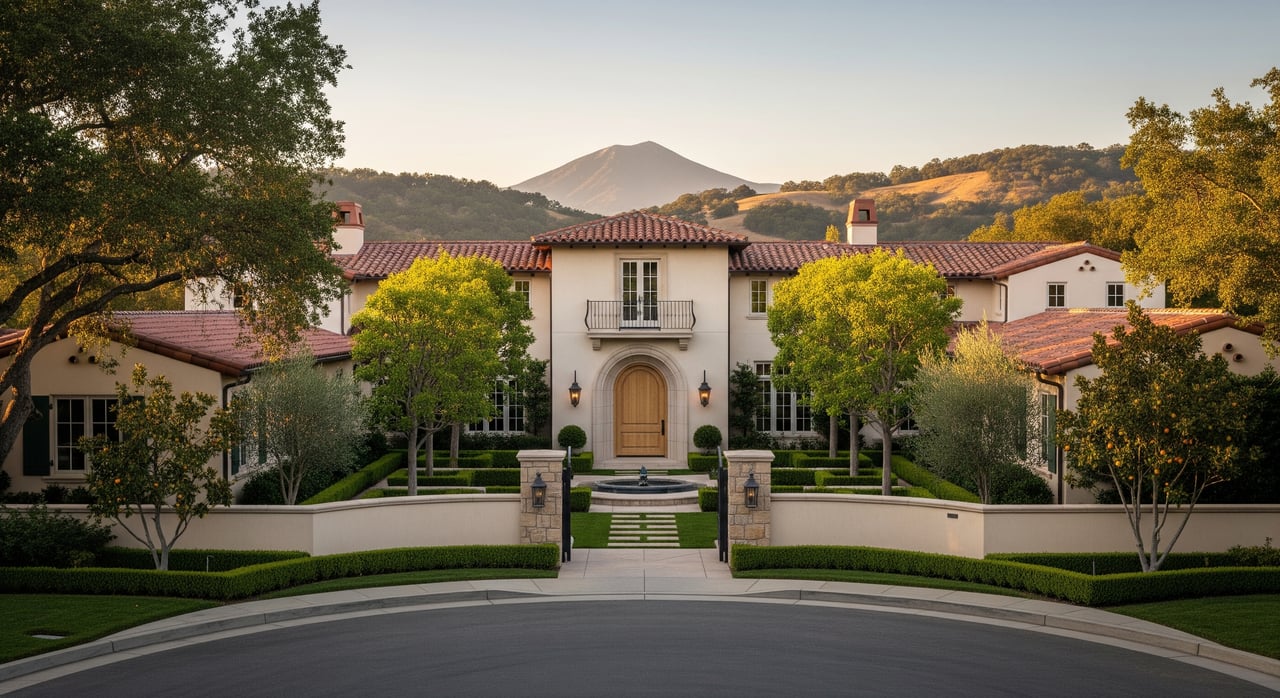
Wondering if you should price high and “leave room to negotiate,” or price sharp and try to create early momentum? In Walnut Creek, that decision can shape your entire sale. The local market is active, but it is not one-size-fits-all, and the right list price depends on far more than a citywide average. In this guide, you’ll see how to price your Walnut Creek home with local context, better comps, and a strategy that works in different market conditions. Let’s dive in.
Walnut Creek Pricing Starts With Context
Walnut Creek is still a seller-leaning market, but that does not mean every home will sell easily at any price. In March 2026, Redfin reported that Walnut Creek homes sold in about 12 days on average, received about 3 offers, and closed at a median sale price of $845,000. The same report also showed a 103.1% sale-to-list ratio, 54.7% of homes selling above list, and 30.2% with price drops.
A second snapshot from Realtor.com showed 352 homes for sale, a median list price of $749,000, a median 28 days on market, and a 100% sales-to-list ratio in March 2026. These numbers are not directly interchangeable, but together they tell a useful story. Buyers are active, yet sellers still need to price carefully because demand is not evenly distributed across every price point, neighborhood, and property type.
Contra Costa County also helps frame the bigger picture. In March 2026, the county median sale price was $785,000, with homes selling after 18 days on market on average. Walnut Creek is trading above that county median, but local pricing still needs a neighborhood-level lens.
Citywide Medians Can Mislead
A city median is a starting point, not a list price. Walnut Creek has wide pricing differences from one area to another, so using one average number can push a home too high or too low.
ZIP code data makes that clear. In March 2026, Redfin reported a median sale price of $687,500 in 94595, $1,225,000 in 94596, and $1,200,000 in 94598. Days on market also varied, from 19 days in 94595 to 12 days in 94596 and 18 days in 94598.
The spread gets even wider at the neighborhood level. Realtor.com listed median listing prices in 94596 ranging from $378,500 in Diablo Hills to $1,699,950 in Walnut Heights. Other nearby areas included Lower Lakewood at $472,500, Rossmoor at $632,000, Downtown Walnut Creek at $787,000, and Larkey Park Area at $1,199,000.
That is why pricing your home based on “what Walnut Creek is doing” can backfire. Buyers compare your home to nearby alternatives, not to a broad city headline.
Build Your Price From the Right Comps
The best pricing strategy usually starts with recent closed sales that closely match your home. In Walnut Creek, that means narrowing your comp set as much as the local data allows.
A useful comp set often includes homes that match your property in:
- Property type
- ZIP code
- Similar price band
- School attendance area
- City versus unincorporated county location
This matters because two homes with the same Walnut Creek mailing address may not compete in the same buyer pool. A condo in one pocket and a detached home in another can sit in completely different pricing lanes, even if they seem close on a map.
Active listings still matter, but in a different way. They are usually better used as a ceiling check rather than the main basis for your list price. Sold and pending data generally give a stronger picture of what buyers have actually accepted in the current market.
Why Price Bands Matter in Walnut Creek
One of the biggest pricing mistakes is pulling comps from too broad a range. If your home should compete in a narrow price band, reaching too far up or down can distort the strategy.
Walnut Creek shows why this matters. In West Downtown Walnut Creek, Redfin reported a March 2026 median sale price of $965,000 and a 97.7% sale-to-list ratio. Recent closed sales in that submarket ranged from 5% over list after 25 days to 8% under list after 158 days.
Downtown Walnut Creek showed a similar split. Recent closed homes sold from 5% over list to 2% under list after about 25 to 35 days. That range suggests buyers are still responsive, but only when the starting price fits the home, the location, and the competition.
In practical terms, this means your list price should be built around the homes buyers would truly cross-shop with yours. A broad city average cannot do that job.
School Assignment Can Affect Pricing
School assignment is one of the local details that many sellers overlook. In Walnut Creek, address-based school boundaries matter because the city spans multiple districts and attendance areas.
Walnut Creek School District serves grades TK through 8 and states that enrollment is based on residence address and neighborhood attendance areas. The district also notes that all WCSD addresses are assigned to Walnut Creek Intermediate for middle school. The Contra Costa County Office of Education lists WCSD as a TK-8 district with seven schools.
For grades 9 through 12, Walnut Creek sits within the Acalanes Union High School District attendance area. The district says residents should use its schoolsite locator by street address. Mt. Diablo Unified also serves portions of Walnut Creek, including Bancroft Elementary and Valle Verde Elementary.
For pricing, the main takeaway is simple. You should verify school assignment by address before selecting comps or describing the home’s location context. A Walnut Creek mailing address alone does not tell the whole story.
City Limits and County Areas Matter Too
Jurisdiction can also shape pricing and buyer perception. The City of Walnut Creek notes that some Walnut Creek addresses are outside city limits and fall under Contra Costa County jurisdiction.
The city identifies areas such as Northgate, Saranap, the Pleasant Hill BART Station vicinity, and portions of Walnut Heights as examples where a Walnut Creek address may still be under county jurisdiction. That can affect how buyers compare homes, especially when they are focused on location details, zoning context, or future use potential.
Walnut Creek also notes that specific plans can tailor development standards and may supersede standard zoning in some areas. The zoning map also references overlay rules and Measure A height limits. For most sellers, this will not be the main pricing driver, but for homes with expansion or redevelopment potential, it can influence buyer interest and value perception.
How to Price in a Fast Market
When the market is moving quickly, sellers often feel pressure to test a higher number. Sometimes that works, but only if the home is clearly supported by recent sales and current buyer demand.
In a faster environment, a strong price can do three things:
- Attract attention in the first days on market
- Encourage multiple offers
- Protect momentum before buyers move on
In Walnut Creek, where average days on market can be short, an overpriced launch can cost you that early window. Even in a seller-leaning market, buyers still compare value carefully, and a home that misses the mark may sit longer than expected.
How to Price in a Slower Pocket
Not every part of Walnut Creek moves at the same speed. Some submarkets and price points take longer, which makes precision even more important.
If your home is in a slower-moving pocket, the goal is not just to get on the market. The goal is to enter the market in a position that feels credible and competitive from day one. Buyers may have more time to compare options, and that means overpricing can be more damaging.
This is where local evidence matters most. A careful review of recent sold and pending homes in your immediate area can help you avoid chasing the market down with later price reductions.
Timing Your Sale 6 to 18 Months Out
If you are planning ahead, pricing strategy starts before your listing goes live. Prep work, timing, and market positioning all work together.
Realtor.com’s 2026 Best Time to Sell report found that the week of April 12 through 18 offered the best national balance of pricing, buyer demand, and market pace. It also reported historically 1.3% higher prices and 16.7% more listing views than a typical week. Just as important, 53% of sellers took one month or less to get ready.
For Walnut Creek sellers, the lesson is not simply “list in spring.” It is to prepare early enough that you can enter a strong listing window with a clean, evidence-based price and a home that shows well.
A Smart Walnut Creek Pricing Process
If you want to price your home with confidence, a clear process helps. A thoughtful pricing strategy usually looks like this:
- Review recent closed sales near your home.
- Narrow comps by property type, ZIP code, and price band.
- Verify school assignment and jurisdiction by address.
- Compare pending and active listings to see current competition.
- Adjust for condition, updates, lot, layout, and location details.
- Choose a launch price that fits both the data and the likely buyer pool.
This kind of approach is especially helpful when the property has added complexity. That may include inherited homes, trust or probate sales, or homes that need updates before listing. In those situations, calm guidance and clear pricing can reduce stress and help you make decisions step by step.
Why Thoughtful Pricing Protects Value
Pricing is not just about attracting an offer. It is about protecting your leverage.
A well-priced home can create urgency, support stronger negotiations, and reduce the risk of sitting on the market. By contrast, a home that starts too high may miss the most engaged buyers when the listing is freshest.
In Walnut Creek, the data shows both opportunity and variation. Some homes sell over asking and quickly, while others need longer exposure or price adjustments. That is exactly why your pricing strategy should be local, current, and specific to your home.
If you are thinking about selling, especially if the property is part of a trust, probate, or family transition, having a steady and methodical plan matters. When you combine local comps, verified property details, and a realistic launch strategy, you give yourself the best chance at a strong result.
If you want a calm, data-driven pricing strategy for your Walnut Creek home, Myron Potter can help you evaluate your options and prepare for a confident sale.
FAQs
How should you price a home in Walnut Creek?
- Start with recent closed sales that closely match your home, then adjust for ZIP code, property type, school attendance area, jurisdiction, condition, and current competition.
Is the Walnut Creek median home price enough to set a list price?
- No. Walnut Creek pricing varies widely by ZIP code and neighborhood, so a citywide median is only a starting point.
Do school districts matter when pricing a Walnut Creek home?
- Yes. Walnut Creek spans multiple districts and attendance areas, and school assignment is based on the property address.
Should active listings drive your Walnut Creek list price?
- Usually no. Recent sold and pending homes are typically more useful for setting a starting price, while active listings can help you gauge the competitive ceiling.
Do Walnut Creek city limits affect home pricing?
- They can. Some Walnut Creek mailing addresses are outside city limits and under Contra Costa County jurisdiction, which can affect how buyers compare properties.
When is the best time to list a Walnut Creek home?
- Timing depends on your goals and readiness, but preparing early helps you take advantage of stronger market windows with a well-supported price.