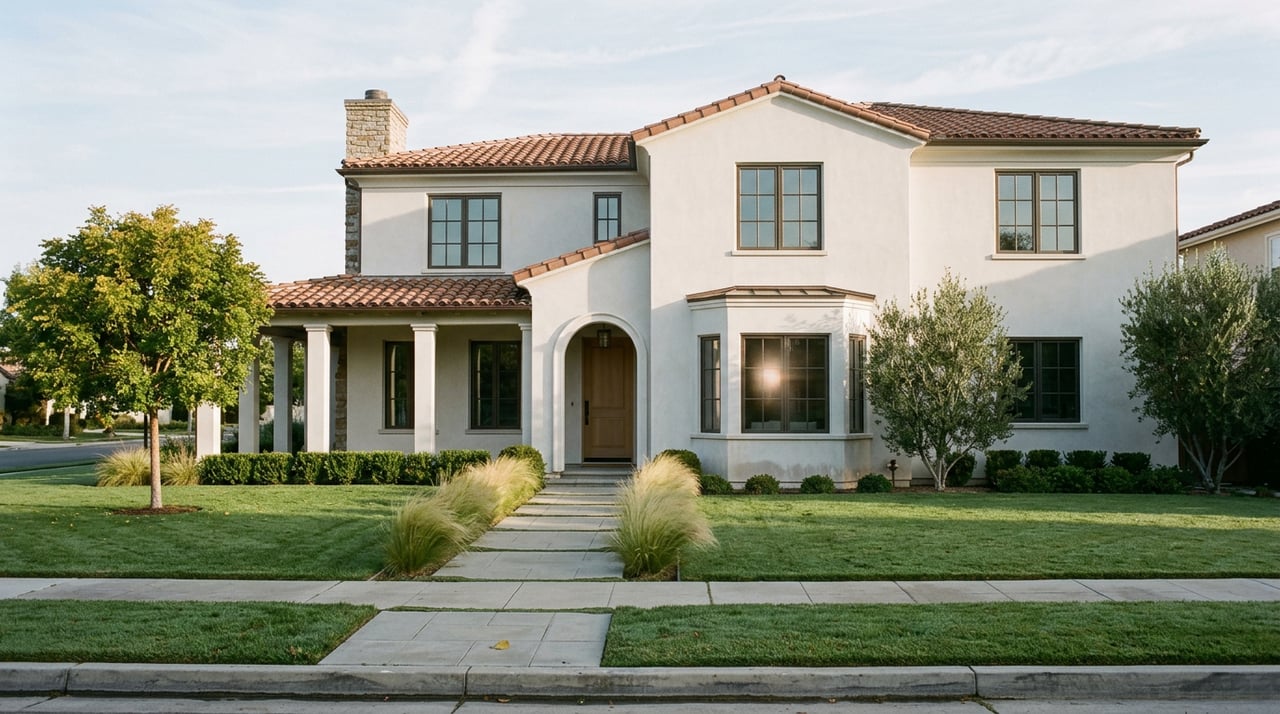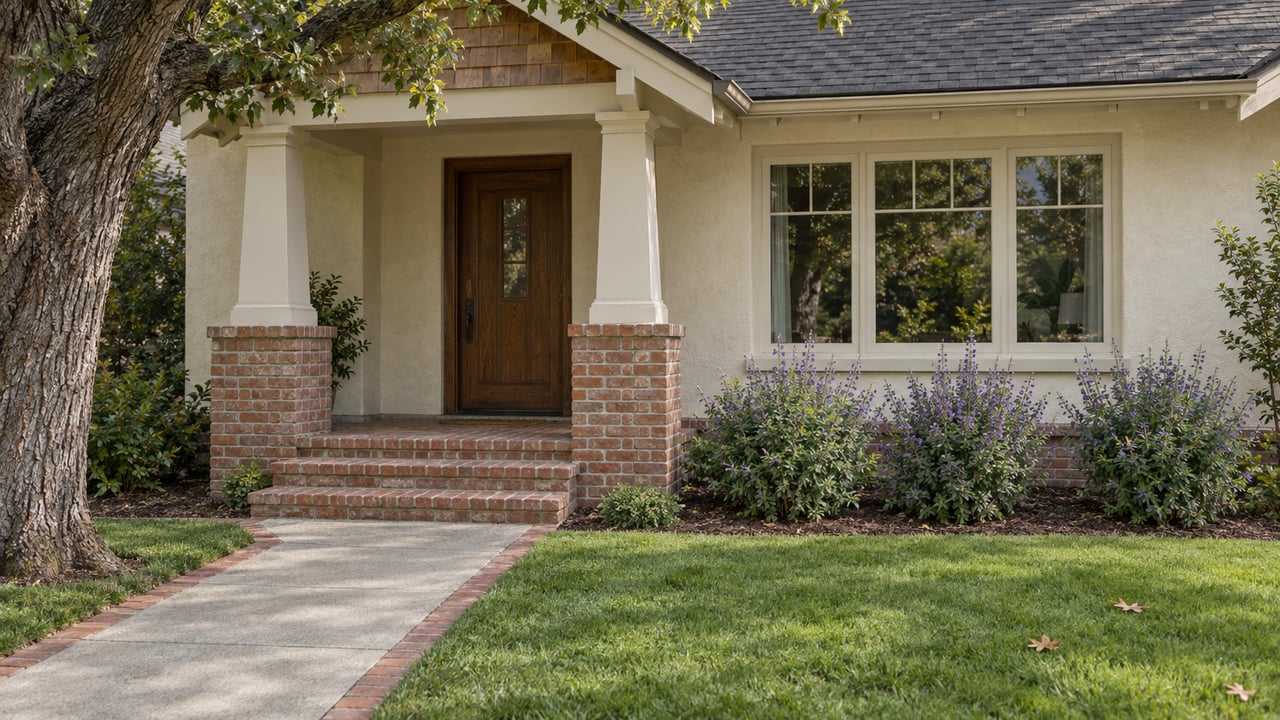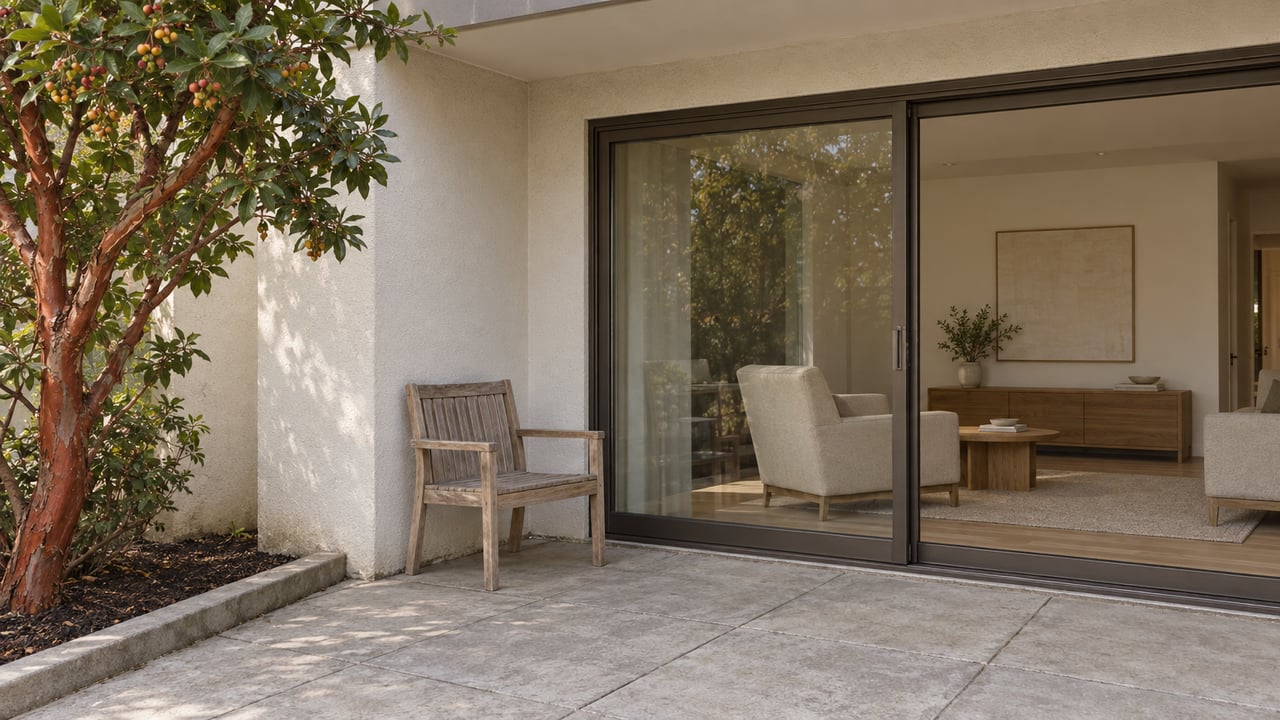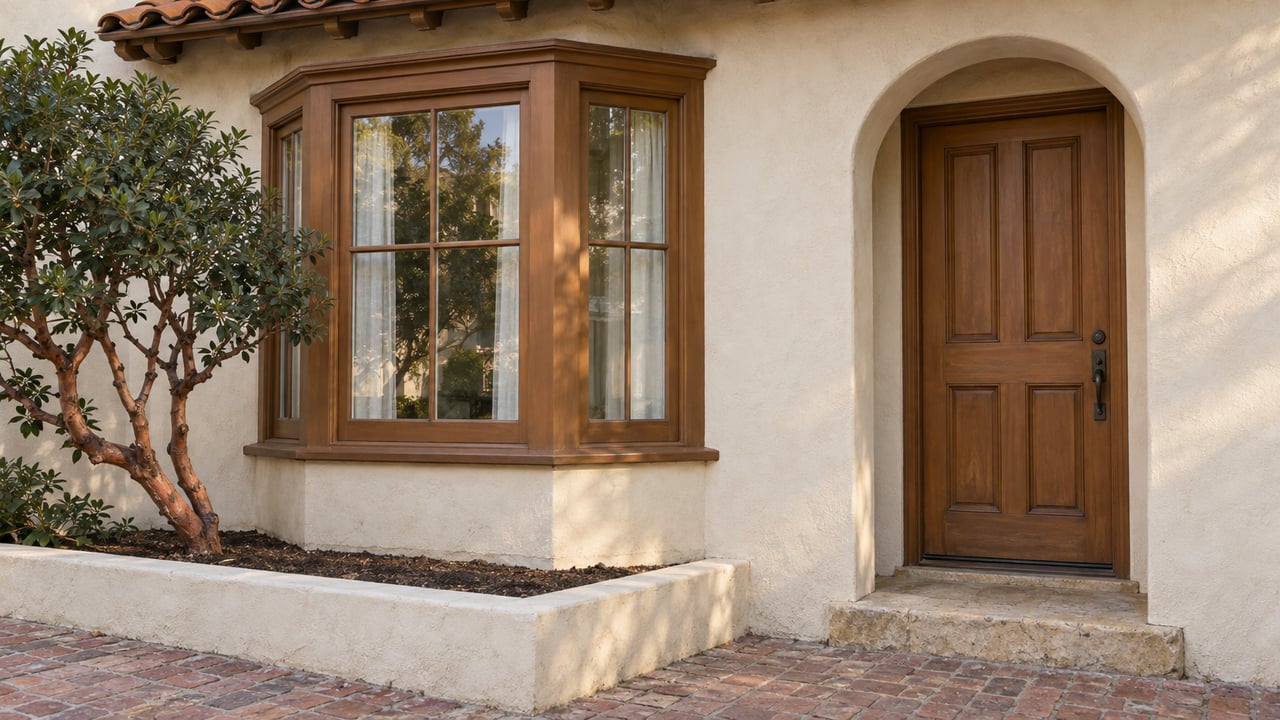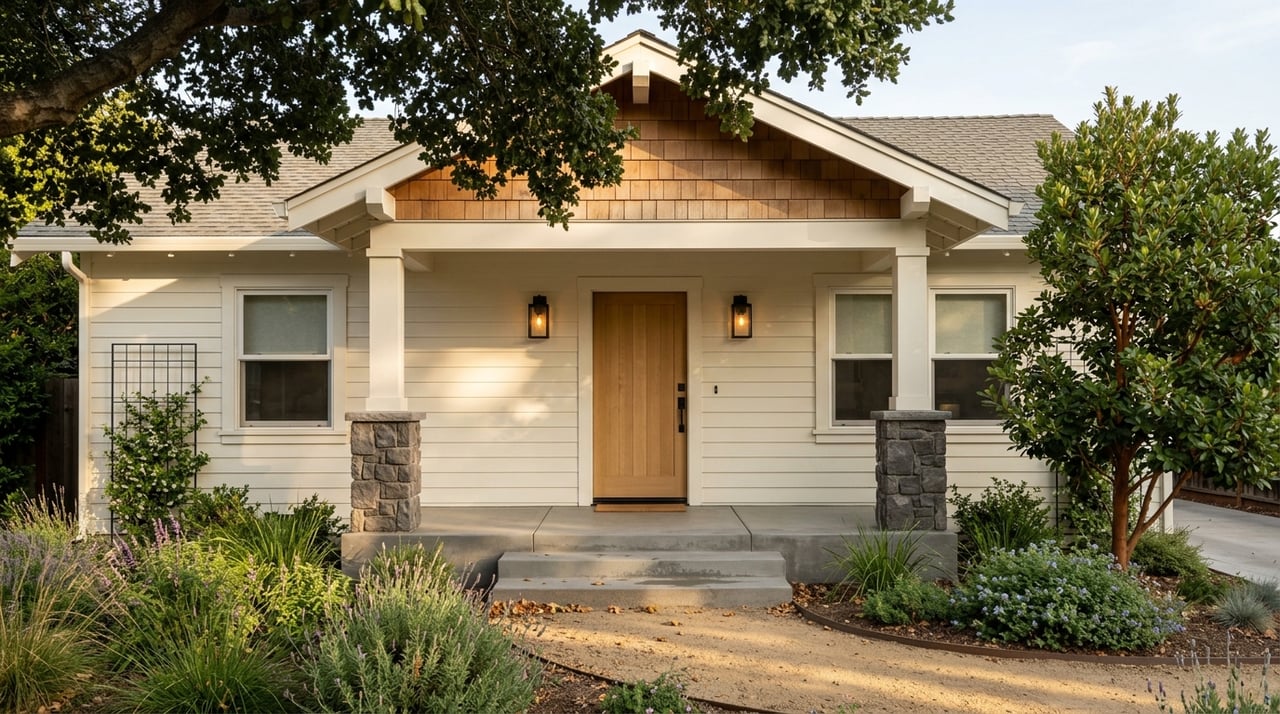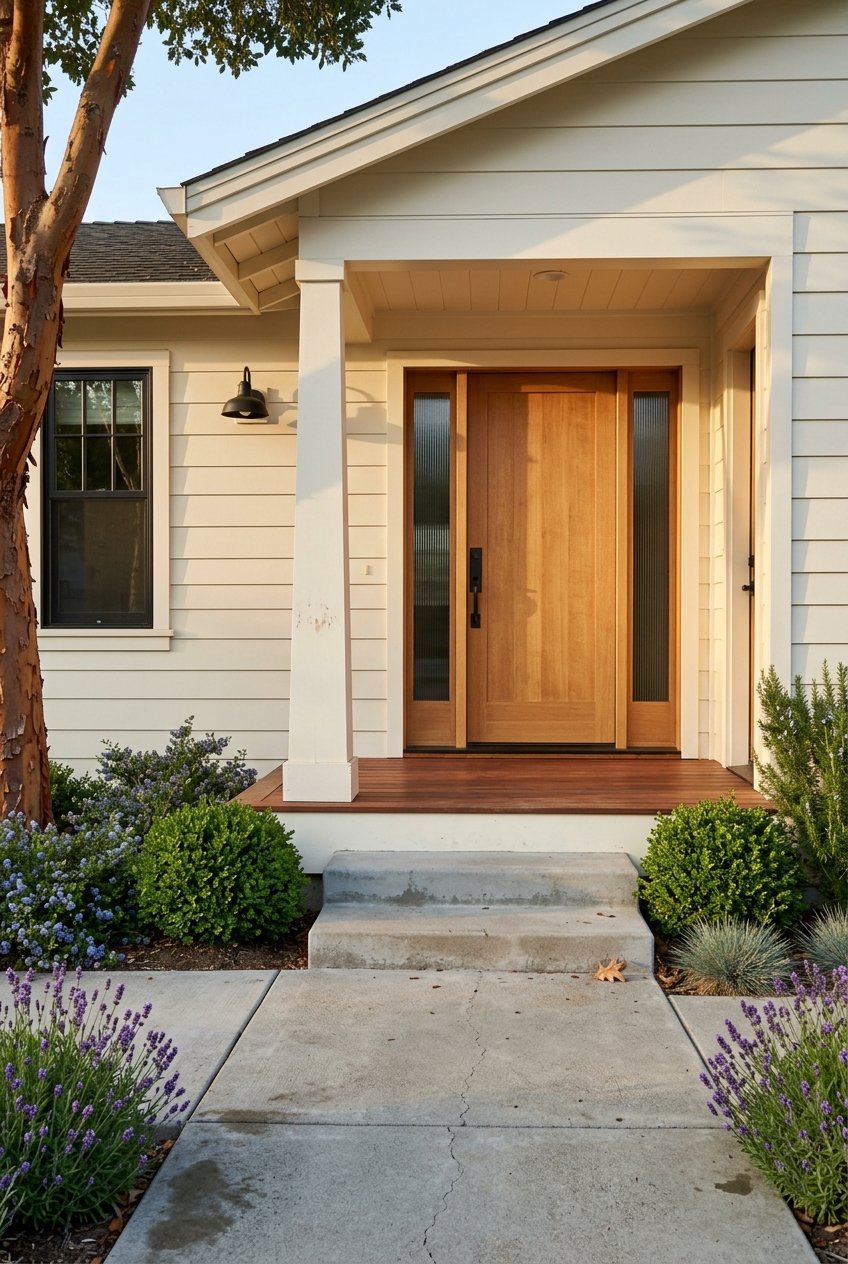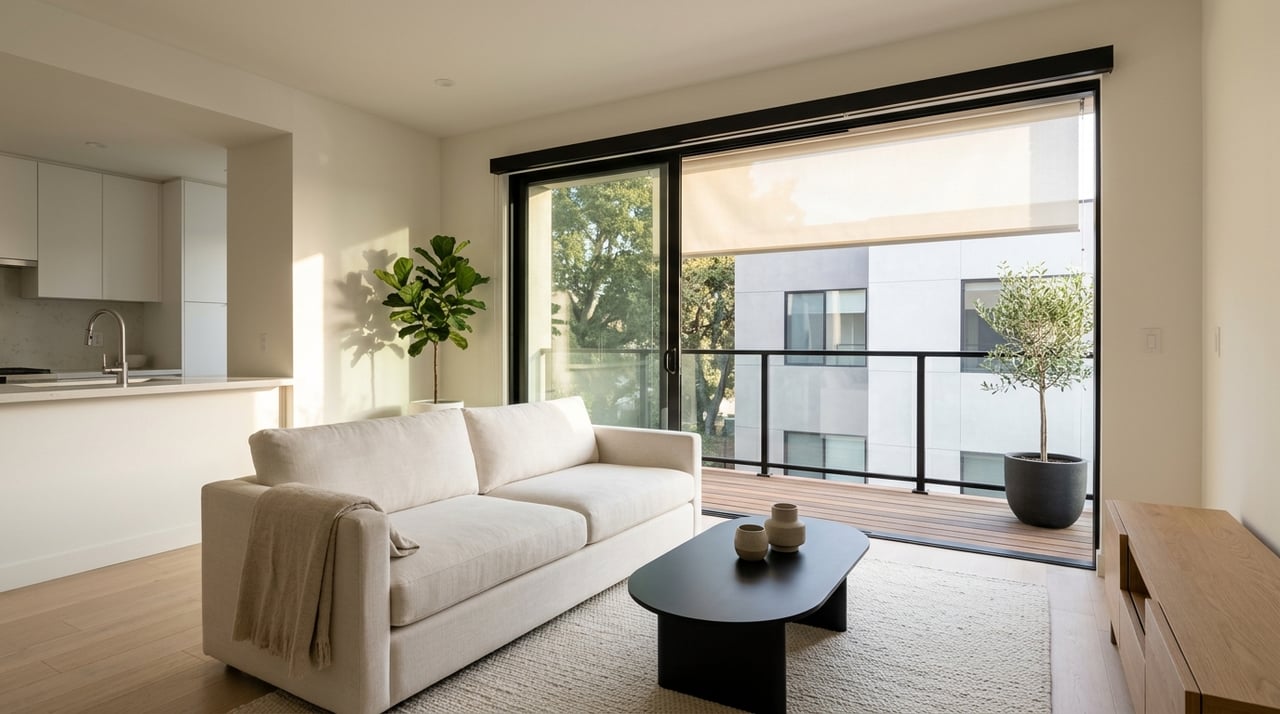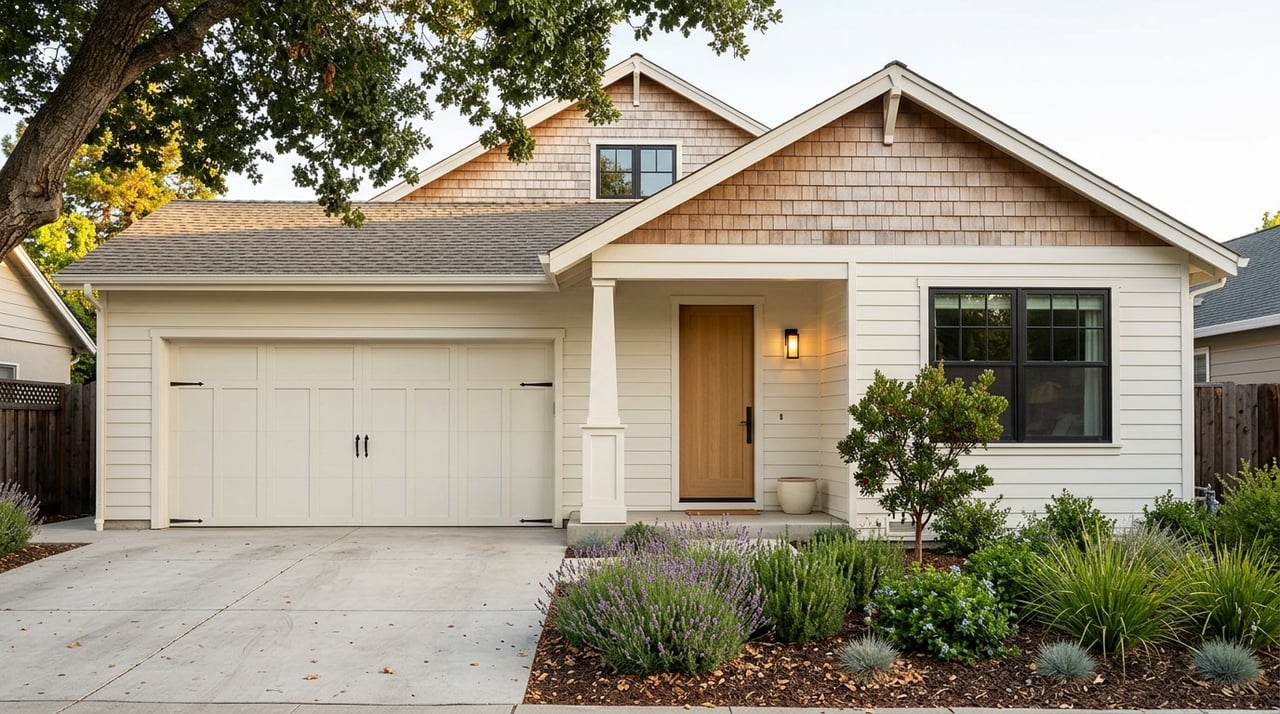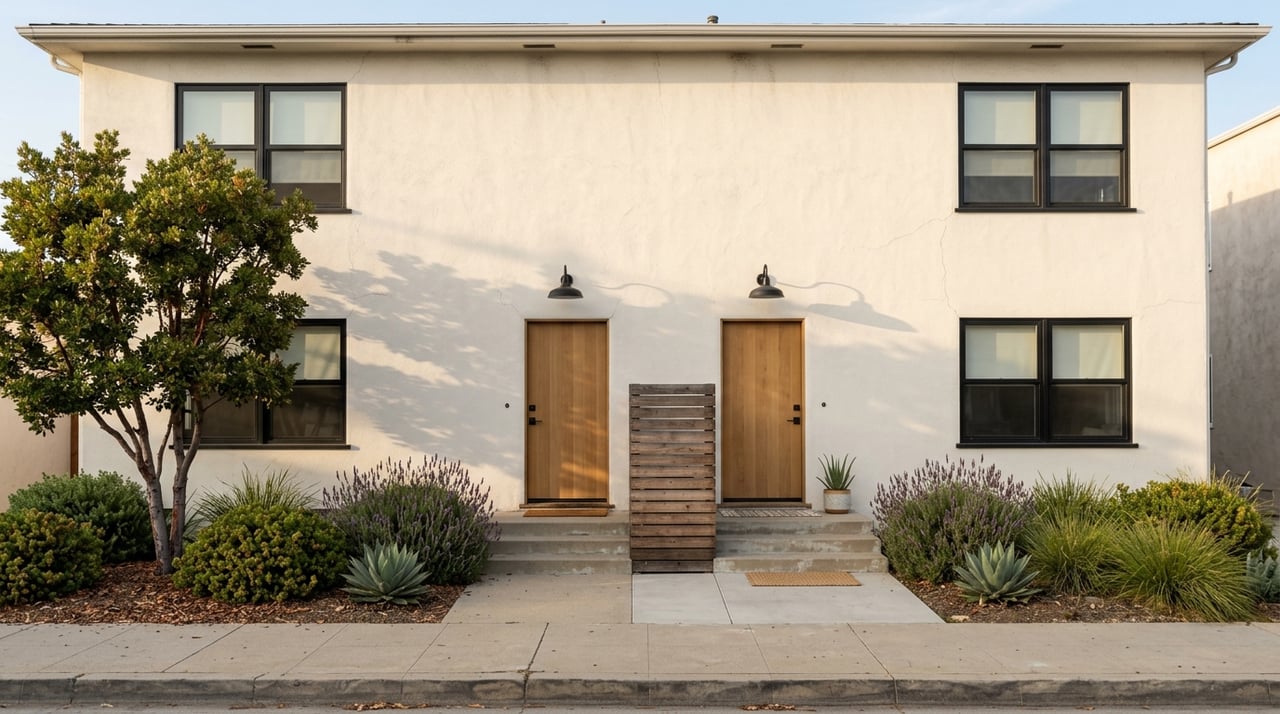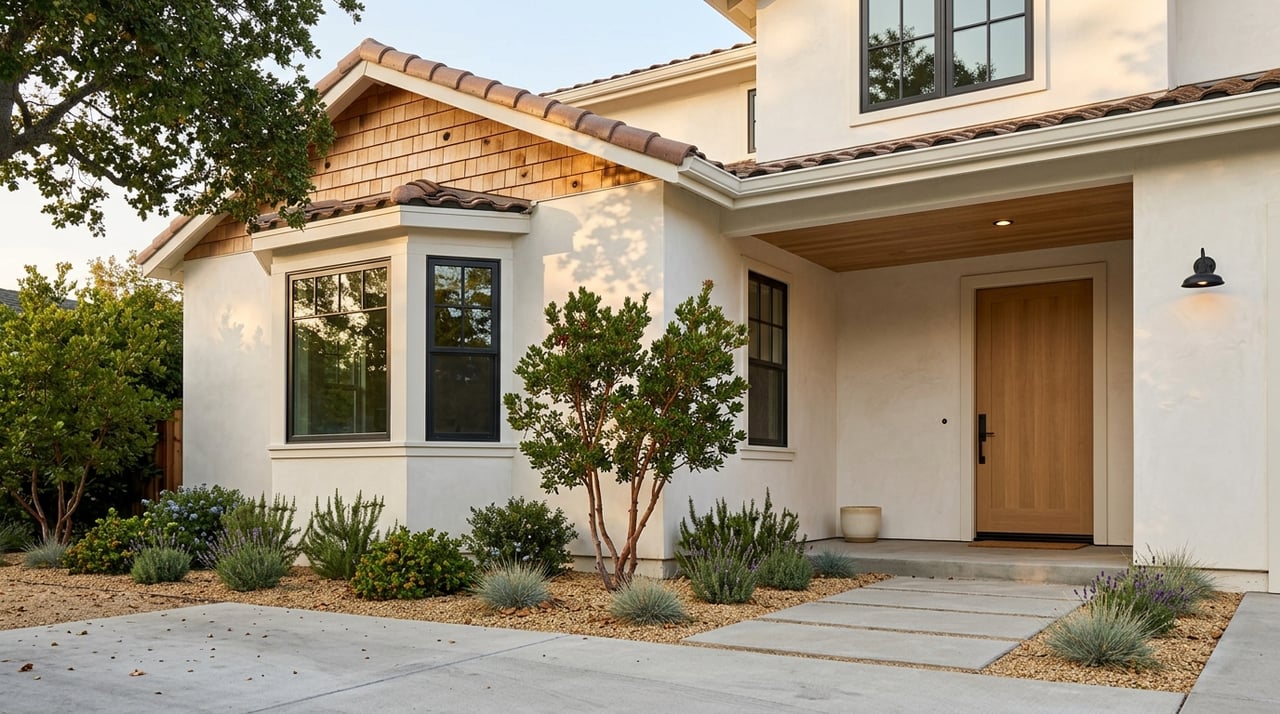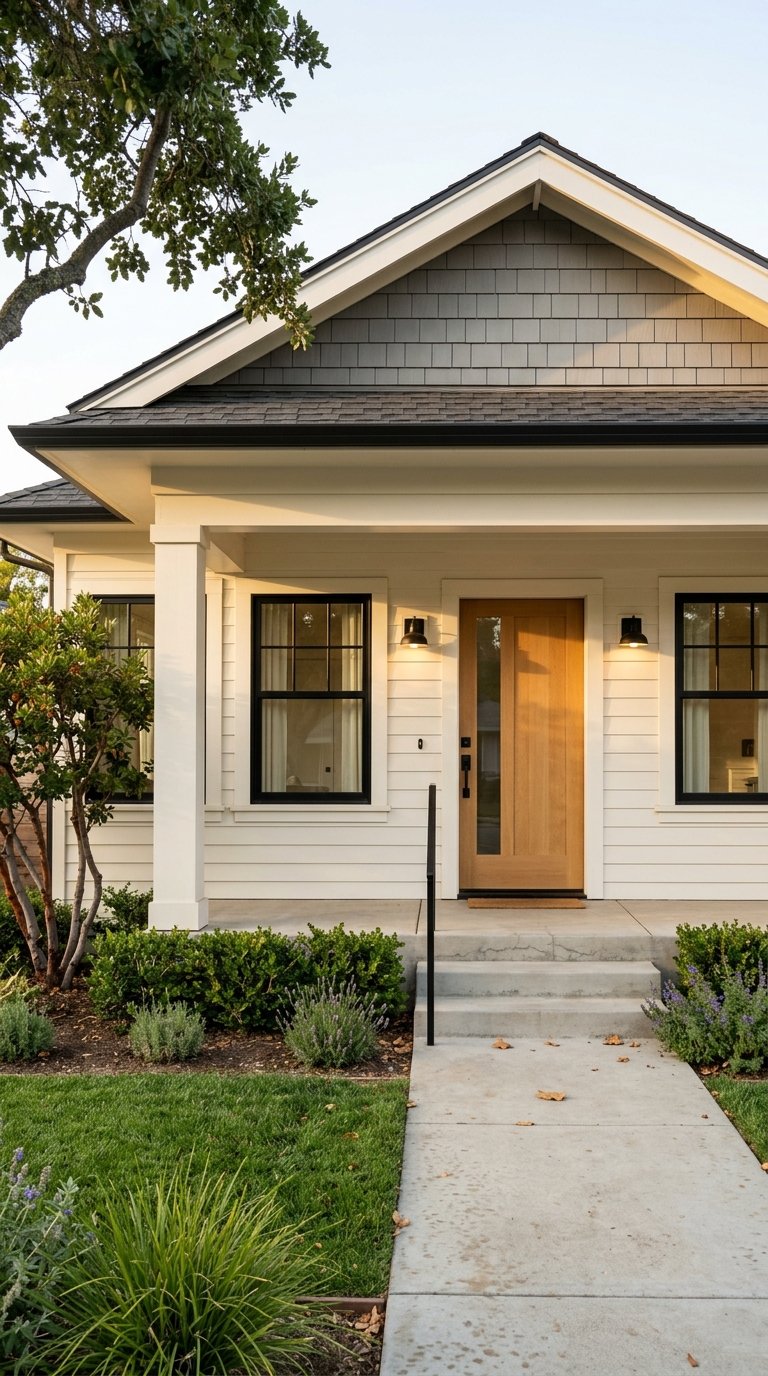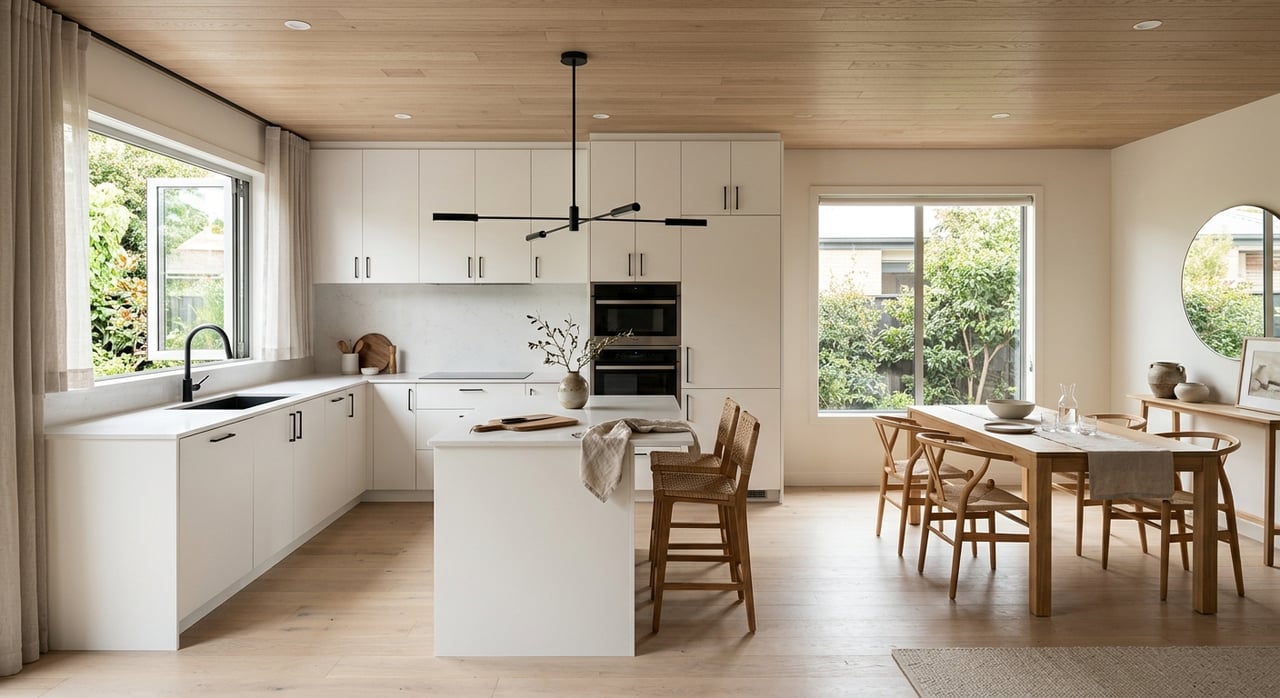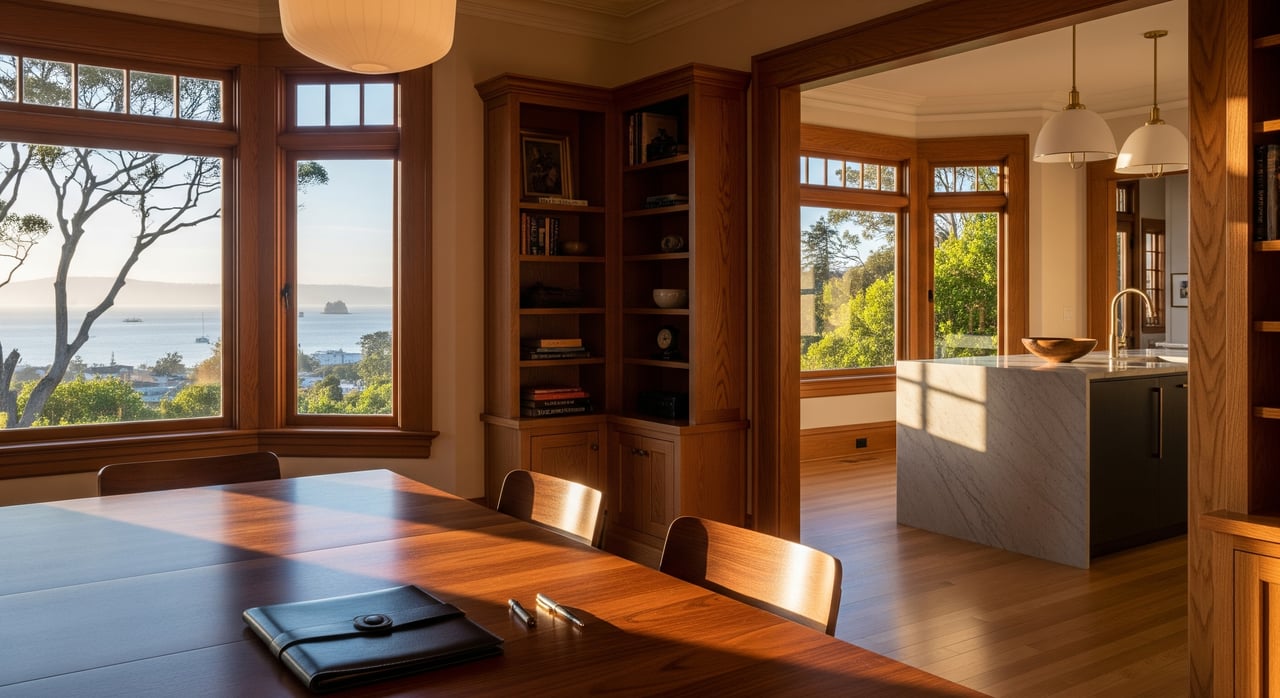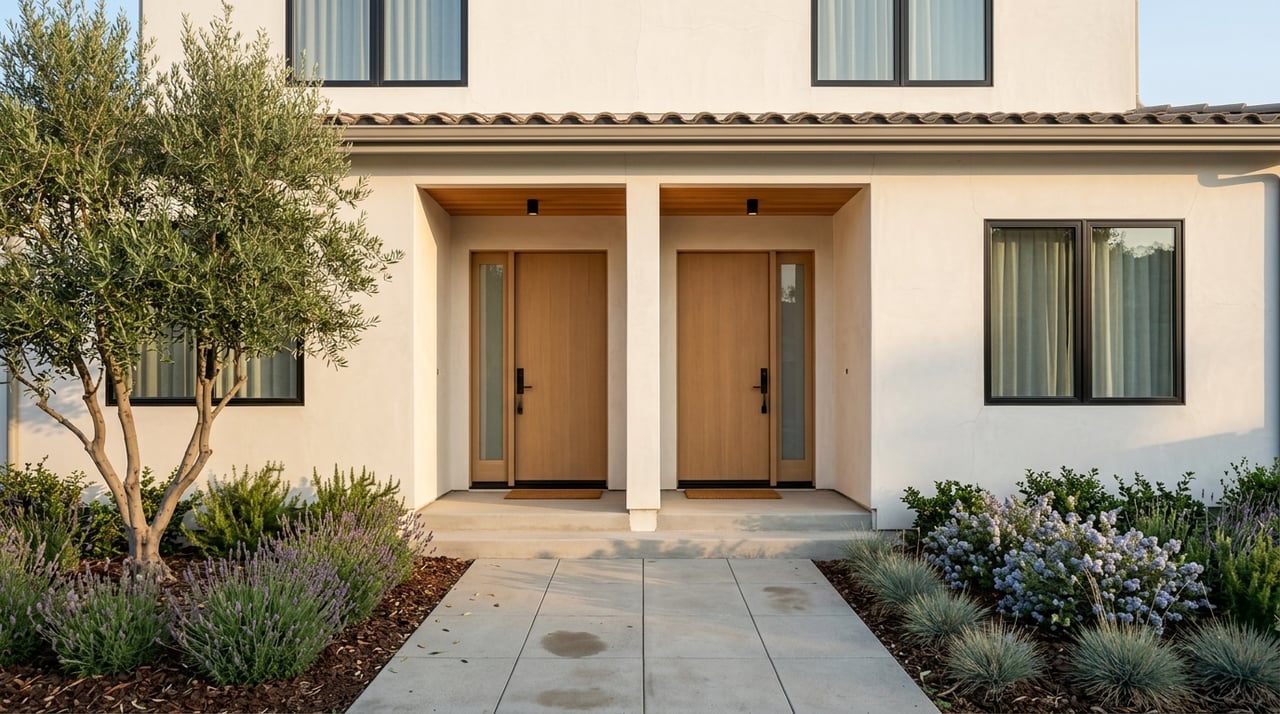
If you are deciding between a condo and a townhome in Walnut Creek, the biggest surprise is this: the label on the listing may not tell you what you really need to know. Two homes can look very similar from the outside but come with very different ownership rights, maintenance duties, and HOA costs. If you want to choose with confidence, you need to look past the marketing and focus on how the community is legally structured, what the HOA covers, and how the property fits your day-to-day life. Let’s dive in.
Why the condo vs townhome label can mislead
In California, a condominium is a legal form of ownership. It usually means you own a separate unit plus an undivided interest in the common areas.
A townhome, by contrast, is an architectural style, not a legal term. In Walnut Creek, a townhome-style property may be part of a condominium project or a planned development, and that difference can affect what you own and what you are responsible for.
That is why the first question should not be, “Is this a condo or a townhome?” A better question is, “What is the legal ownership structure of this community?”
How ownership structure affects you
If a property is a condominium, you typically own the interior unit and share ownership of common areas with other owners. If a property is in a planned development, the separate interest may be a separately owned lot, parcel, area, or space.
That can shape your experience in practical ways. It may affect who handles exterior components, how patios or yards are treated, and what kind of approval you need before making changes.
Most attached-home communities in Walnut Creek also have homeowners associations. HOAs usually collect dues, enforce rules, and operate under CC&Rs, bylaws, and board rules.
HOA dues matter, but coverage matters more
Many buyers focus on the monthly HOA number first. That makes sense, but the more useful question is what those dues actually pay for.
Under California's default rules, the HOA generally maintains common areas, while the owner maintains the separate interest. For exclusive-use common areas, such as certain patios or balconies, the owner usually handles maintenance while the HOA handles repair and replacement, unless the governing documents say otherwise.
That last part is important. The governing documents can change the default rules, so you should never assume a condo or townhome follows the same pattern as another nearby community.
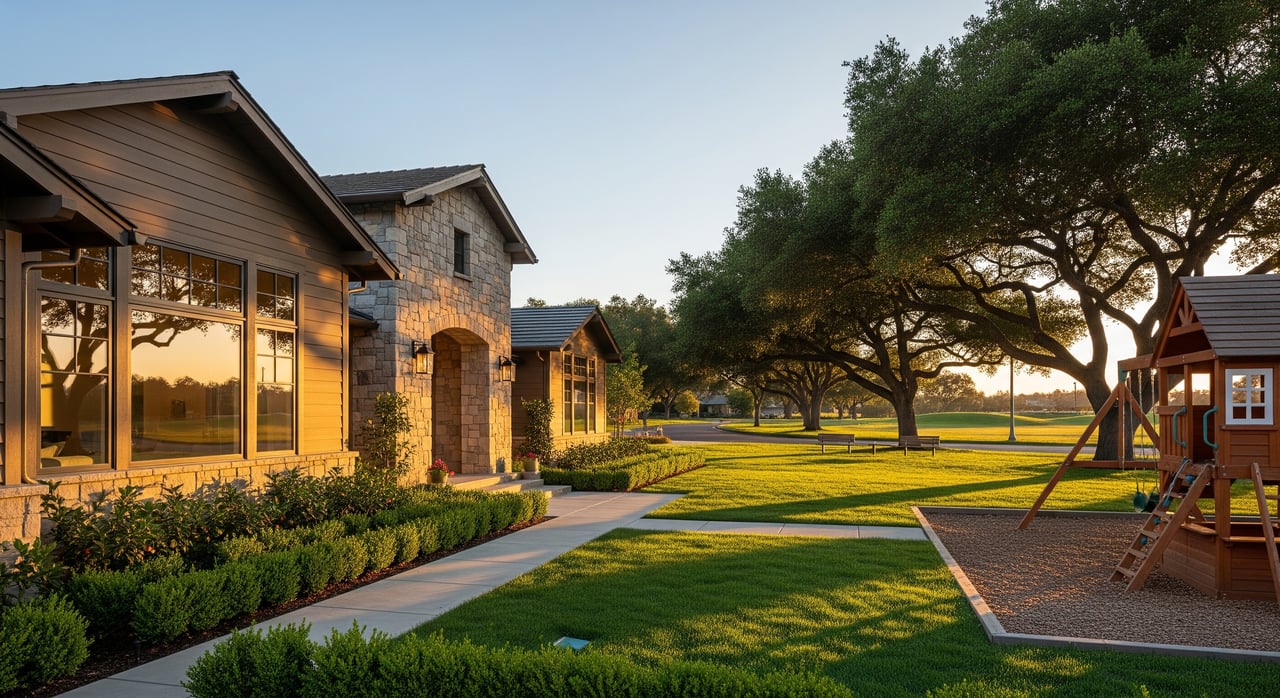
Higher dues are not automatically bad. In some Walnut Creek communities, they may reflect broader maintenance coverage, larger reserves, or shared amenities like pools, fitness rooms, bike storage, barbecue areas, or greenbelts.
Lower dues are not automatically better, either. They may mean you take on more upkeep yourself.
Walnut Creek location patterns can shape your choice
Walnut Creek has a meaningful share of attached housing. The city's housing element reports about 5,000 single-family attached units, or roughly one-seventh of the total housing stock.
These homes are often located between the higher-density core and surrounding single-family areas. In general, density increases closer to transportation and services, which helps explain why many condo and townhome communities are positioned for convenient access to downtown destinations and transit.
That matters if your lifestyle depends on commuting, dining, shopping, or easy access to local services. Walnut Creek also has two BART stations, a downtown trolley connecting Walnut Creek BART to downtown destinations, and other local shuttle options.
Condos may fit if you want convenience
For many buyers, a condo is attractive because it can offer a simpler day-to-day routine. If you want shared maintenance, central locations, and amenities, a condo may check a lot of boxes.
Walnut Creek has several condo communities that illustrate this appeal. Station West, for example, identifies itself as a 209-unit condominium complex and lists three pool areas, a game room, a large barbecue area, bike storage rooms, and an exercise room.
Rossmoor is another local example, though it serves a more specific audience. Its official site describes it as an active adult community with amenities that include two golf courses, five pools, a fitness center, and more than 180 clubs and activities, and the city identifies Rossmoor as a 55-and-over community.
If your goal is lower upkeep and access to shared amenities, condos can be a strong fit. That is especially true if you value a lock-and-leave lifestyle or want to stay close to transit and downtown activity.
Townhomes may fit if you want more room
Townhome-style properties often appeal to buyers who want a more house-like layout while staying in the attached-home price range. In Walnut Creek, that can mean more interior space, direct-entry garage parking, patios, or a layout spread across multiple levels.
Local planned-development examples include communities such as Walden Park Commons, Stoneyridge Ln. Townhomes, 1524 Townhomes, and Carmel Townhomes. The Carmel Townhomes ordinance describes a for-sale project of primarily three- and four-bedroom condominium units near downtown amenities, which is a good reminder that townhome style does not always mean planned development ownership.
That overlap is exactly why legal structure matters. A home that feels like a townhome may still operate legally like a condo, with different maintenance and HOA rules than you might expect.
Older communities deserve closer review
Walnut Creek has an older housing base, with about 39.3% of the city's housing stock built before 1970. That does not mean older condo and townhome communities are a bad choice, but it does mean you should look carefully at building systems, reserves, and deferred maintenance.
In attached-home communities, age can affect roofs, siding, plumbing, windows, and other shared components. Because California resale disclosures include items like current and pending assessments, defect disclosures, requested board minutes, and the most recent inspection report, buyers have an opportunity to review the condition and governance of the community before closing.
This is one area where careful, organized review can save you stress later. If a community has aging infrastructure, upcoming projects, or unresolved issues, you want to understand that early.
What the Walnut Creek market suggests
Attached housing is a significant part of the local market, and buyers are active. Bay East's May 2026 attached-housing report for Walnut Creek and Rossmoor showed 207 active listings, about 3.4 months of inventory, a median sale price of $692,500, average days on market of 29, and buyers paying about 101% of list price.
A broader Walnut Creek market snapshot from Redfin showed a three-month median sale price of $949,432 and about 14 days on market. The takeaway is simple: pricing and pace can vary depending on the slice of the market you are looking at, so attached homes should be evaluated in their own context.
If you are comparing condos and townhomes, local value is not just about square footage. It is also about HOA scope, location, amenities, and how much maintenance responsibility you are willing to take on.
Questions to ask before you decide
If you are touring attached homes in Walnut Creek, bring a short list of questions with you. These answers will usually tell you more than the property label ever could.
Ask about legal structure
Start by confirming whether the home is a condominium, a planned development, or something else. That answer helps define what you own and what rights come with the property.
Ask what the HOA maintains
Find out whether the HOA maintains, repairs, or replaces items such as:
- Roof
- Siding
- Windows
- Patios
- Fences
- Plumbing
- HVAC
- Landscaping
- Shared amenities
Do not guess based on the exterior design. The recorded documents control these responsibilities.
Ask what dues and assessments cover
Request a clear breakdown of regular dues and any special assessments. Also ask whether there are planned projects or expected increases.
California resale disclosures are designed to provide this information. That makes it easier to compare communities on real cost, not just sticker price.
Ask about restrictions that affect your plans
If you plan to rent the property out later, make alterations, or want flexibility in how you use the home, ask about any rental restrictions, age restrictions, or use rules. These are material details and should be disclosed in the resale package when applicable.
Ask about condition and history
In older communities especially, ask whether there is any unresolved construction-defect history, pending litigation, or notable inspection-report issue. Those details can affect your comfort level, your budget, and your long-term plans.
A simple way to choose between the two
If you want the shortest possible answer, here it is: choose the home that best matches your budget, your maintenance tolerance, and your preferred location.
A condo may suit you better if you want shared amenities, less day-to-day upkeep, and easy access to transit or downtown areas. A townhome-style home may suit you better if you want more space, garage parking, and a layout that feels more like a traditional house.
But in Walnut Creek, the smartest move is to compare each community on its actual terms. The legal structure, CC&Rs, maintenance split, dues, and location matter more than the condo or townhome label alone.
If you want help sorting through Walnut Creek attached-home options and reading the details that really matter, Myron Potter offers clear, steady buyer guidance across the East Bay.
FAQs
What is the difference between a condo and a townhome in Walnut Creek?
- In Walnut Creek, a condo is a legal ownership form, while a townhome is an architectural style. A townhome-style property may legally be a condominium or part of a planned development.
Why do HOA documents matter for Walnut Creek condos and townhomes?
- HOA documents matter because the CC&Rs and related records can override default maintenance rules and explain dues, assessments, restrictions, and owner responsibilities.
Are Walnut Creek townhomes always better than condos for space?
- Not always. Townhome-style homes often offer more interior space or garage parking, but the specific layout, lot structure, and HOA setup vary by community.
Do Walnut Creek condos usually have more amenities than townhomes?
- Some do, especially in larger condominium communities with shared facilities like pools, fitness rooms, and common gathering areas, but this depends on the individual HOA.
What should buyers review in a Walnut Creek HOA disclosure package?
- Buyers should review governing documents, current and pending assessments, unresolved violations, rental restrictions, defect disclosures, requested board minutes, and the most recent inspection report.
Are older Walnut Creek condo and townhome communities a concern?
- Older communities are common in Walnut Creek, so buyers should pay close attention to reserves, deferred maintenance, inspection findings, and any planned repairs or assessments.