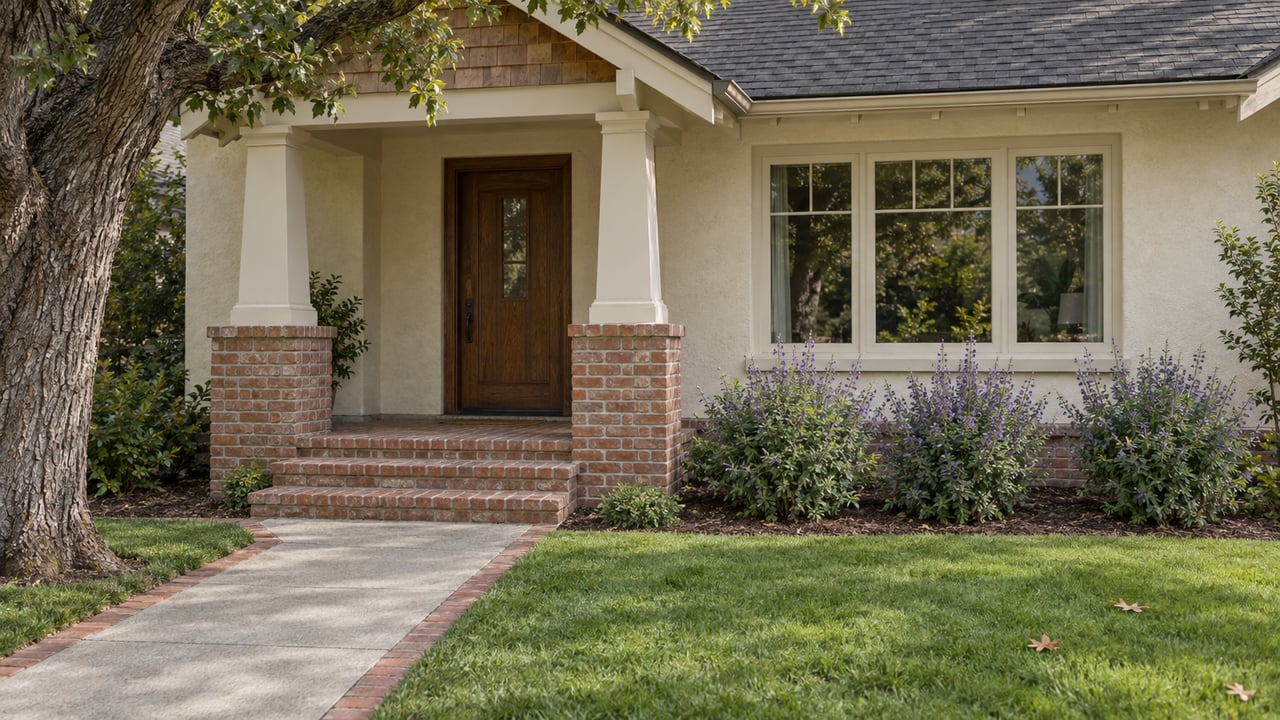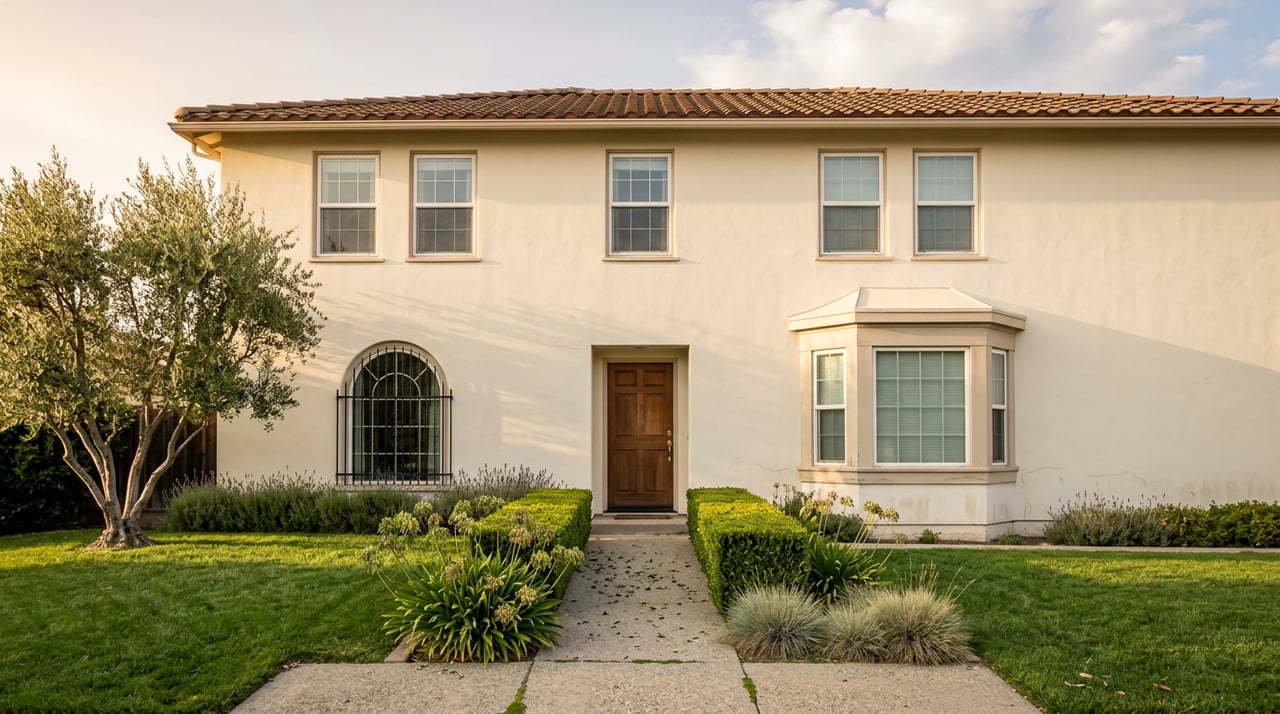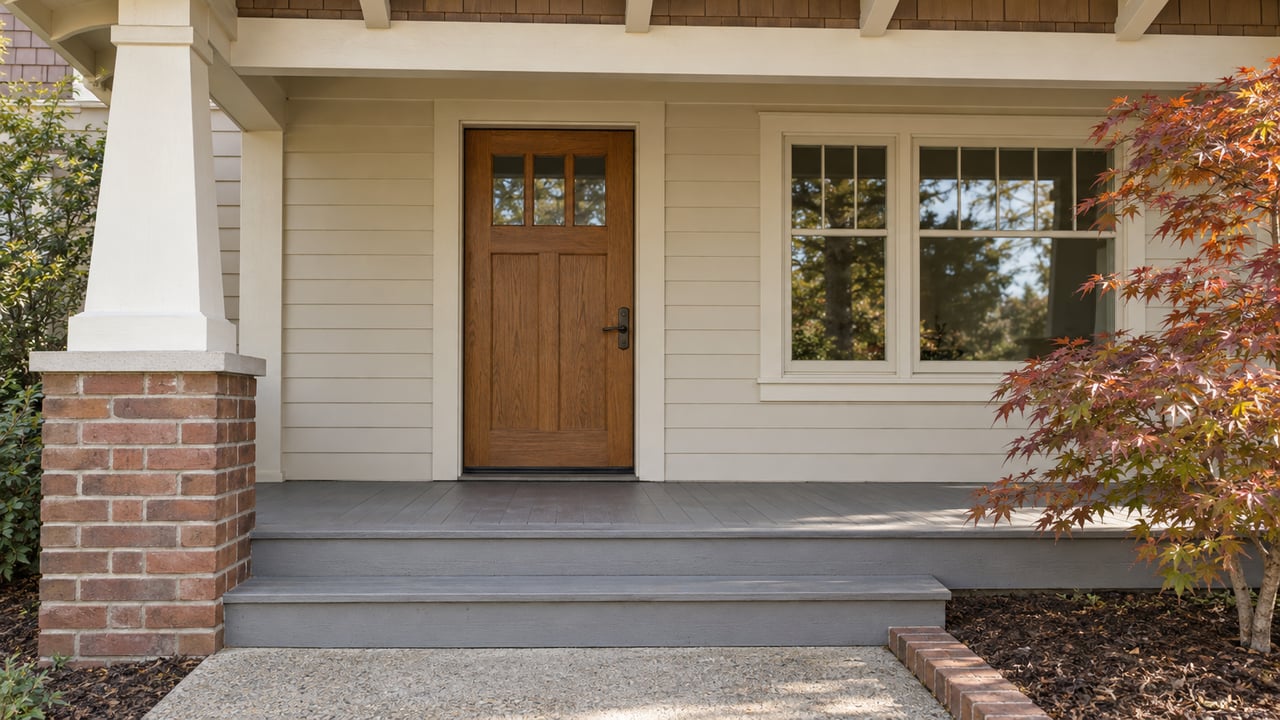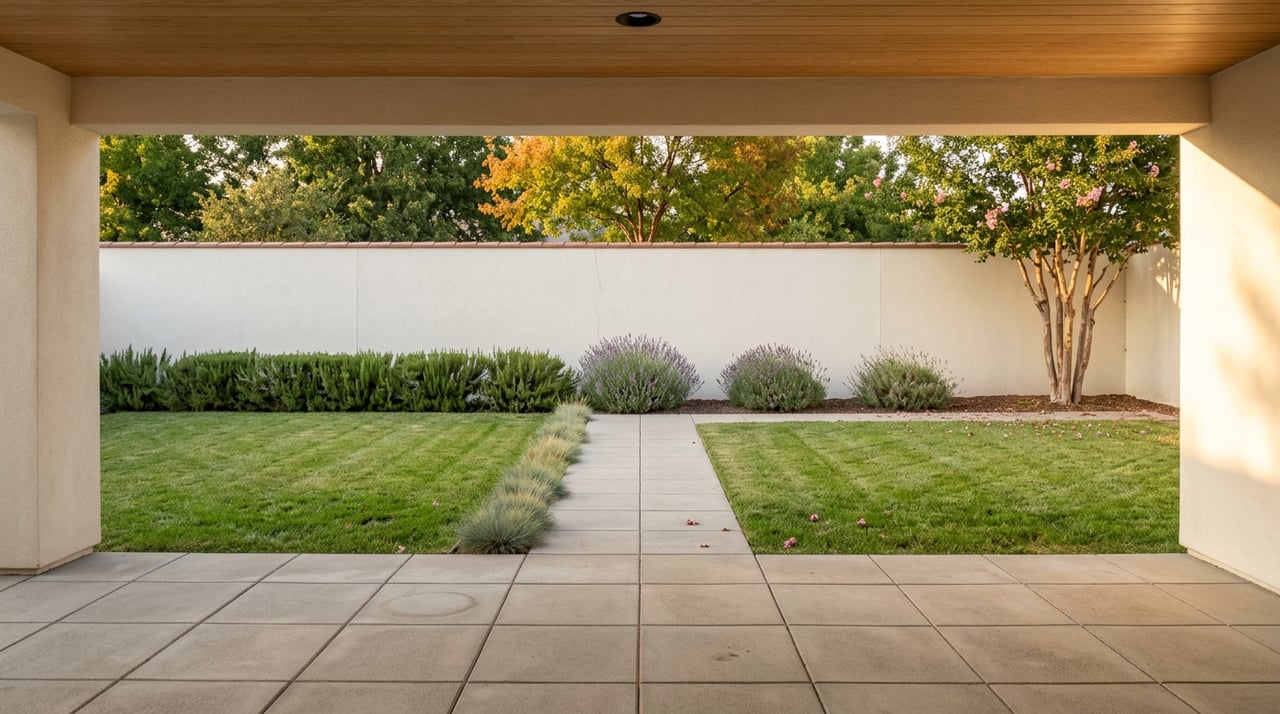
When a Rossmoor manor passes to a child, a sibling, a niece or a friend, the community's Membership Transfer Fee comes due as soon as that person takes title. The fee can be refunded, but only under conditions that start a one-year countdown. The refund deadline runs one year from the later of that title transfer or the close of probate. For an executor, those two dates set the estate's real timeline, not the day the home goes on the market.
The rule sits in Policy 102.1.4 of the Golden Rain Foundation, which now does business as Rossmoor Walnut Creek, or RWC. The policy's latest listed revision is August 26, 2021, and it is still listed in the RWC policy index updated August 27, 2026. Everything else about selling an inherited Rossmoor home connects back to that one-year window. That includes co-op approvals, financing limits, resale inspections and the monthly coupon.
The Fee Follows the Title
RWC describes the Membership Transfer Fee as a one-time payment from new buyers that goes into the capital fund. It pays for things like clubhouse renovations, golf course improvements and road work. There is one fee per manor. The policy goes further. The fee applies to "all transactions involving the sale or transfer of an interest in a Mutual Manor," and it is the obligation of the purchaser or transferee.
An heir counts as a transferee. Under the exemption the policy calls Inheritance Held for Resale, anyone other than a spouse or registered domestic partner who inherits title must pay the fee.
The amount went up this year. In September 2025, Rossmoor News reported that an $18,000 MTF for new buyers was coming. RWC's ownership guide now gives the current MTF as $18,000 as of April 1, 2026. For a non-spouse heir, that $18,000 is due when title transfers, and whether it comes back depends on the conditions below.
Four Conditions for a Refund
The policy refunds the fee, or whatever part of it the Foundation actually received, if the inheriting person asks on time and meets every condition below.
- The heir can reasonably show that they have not lived in the property or used Foundation amenities since taking title.
- The property is resold to a third party who pays or has paid the fee.
- That resale happens within one year of the later of two dates: the day title transferred to the heir, or the day the decedent's probate closed.
- The refund request reaches RWC within 30 days after the resale.
There are two more provisions. The heir is responsible for claiming an exemption and proving it, and the Foundation says it is not liable if the claim isn't made or proven in time. Refunds are not given after one year, and administrative fees may be deducted from any refund.
In practice, this means decisions that seem like family matters have a cost. If a relative stays in the manor for a few months, or uses the pool while sorting through belongings, that can be the occupancy or amenity use the first condition rules out. The estate's attorney and RWC are the right people to say where that line falls in a specific case. The simple point is to make these decisions early, before anyone moves in for a while.
Who Pays, Who Doesn't
The other exemptions in the policy explain why the same family can face very different costs depending on how title is held.
| How title moves | Fee under Policy 102.1.4 | Condition attached |
|---|---|---|
| Inheritance by a spouse or registered domestic partner | Exempt | The deceased member previously paid the fee |
| Inheritance by anyone else | Due | Refundable only under the four conditions above |
| Member places the home in their own trust | Exempt | Only while that member lives in the home and remains a principal beneficiary of the trust |
| Gift to a non-member | Exempt | The donor never lived in the property and paid the fee when acquiring it |
| Transfer to an entity that can't be a member | Exempt for now | The fee is due once a designated occupant moves in |
The trust row is the one that surprises fiduciaries. The exemption depends on a living member who still occupies the home. Section D of the policy says that when a continuing condition stops being met, a fee "shall become immediately due and payable" on the same terms as an ordinary transfer. A successor trustee shouldn't assume that because the home was in a trust, the inheritance avoids the fee. The policy also lets the Board charge an administrative fee on transfers that are exempt.
What Can Stretch the Year
A year can sound like plenty of time for a sale. Rossmoor has several steps, depending on the type of ownership, that take time before the resale even closes.
Ownership type. In Rossmoor's co-op Mutuals, the buyer gets a share in the corporation that owns the real property. In the condominium Mutuals, the unit is conveyed by deed and owners pay property tax separately. Mutual 61 is a separate planned-unit development of 63 homes.
Co-op buyer approval. In Second Mutual, applicants provide financial and other information. The buyer needs an approved qualifying occupant age 55 or older who plans to live there permanently, and must attend an alteration meeting before closing. The president or vice president may make the first approval or denial, and buyers can appeal to the board. Each step adds time between accepting an offer and closing.
Financing. RWC's co-op page says financial requirements apply to some purchasers who aren't using share-loan financing. As of July 2025, Rossmoor News reported that Fannie Mae and Freddie Mac still weren't guaranteeing "non-qualified" Rossmoor loans, and the paper linked that to stagnant sales. Fewer financing options can mean a smaller pool of buyers, and a smaller pool can mean a longer time on the market while the refund deadline runs.
Resale inspection. The department that handles resale inspections was called MOD and is now RPM, short for RWC Property Management. Its Alterations & Resales page lists an authorization-to-inspect form, a resale checklist, a buyer's e-packet and a resale-fee schedule. Each Mutual has its own requirements. Second Mutual's policy has escrow hold back $5,000 plus estimated needed-repair costs from the seller until 60 days after closing. First Mutual lets the inspector require the seller to upgrade washer and dryer water lines that don't meet current standards. If an executor plans to make a final distribution soon after closing, a holdback in Second Mutual pushes part of that money back by 60 days.
Ordering the inspection early helps on both counts. Any required work is known before listing, and the buyer's approval process starts with no surprises left from the inspection.
The Monthly Cost While the Clock Runs
The estate pays coupons for every month it holds the manor. The RWC-wide coupon for 2026 is $351.51 per manor per month, down $3.01 from 2025. On September 29, 2026, Rossmoor News reported that the RWC Board had approved a 2027 coupon of $362.98, an increase of $11.47, or 3.26%. An estate that holds a manor into January will pay the higher rate.
Coupons also differ by Mutual. Second Mutual's 2026 monthly coupon was reported at $1,294, up $36, or 2.86%, with property tax added separately.
Insurance depends on ownership type too. Rossmoor News reported in February 2026 that property insurance rates had fallen for a second year in a row, although Rossmoor still couldn't get the full replacement coverage it needed. Homes in Mutual 61 aren't covered by the master policy, so those owners arrange their own dwelling insurance. For an executor of a Mutual 61 home, that means keeping the decedent's policy in place or replacing it while the house sits empty.
A Working Sequence for Executors
Each step below lines up with one of the policy points above. This isn't legal or tax guidance. The estate attorney sets the legal timeline.
- Before title moves, find out who will take title, whether a spouse or registered domestic partner exemption applies, and what fee amount RWC is charging now.
- When title transfers, write down the date. If probate is open, note when it closes as well. The later of the two dates starts the one-year refund window.
- Decide on occupancy and amenity use right away, with the refund condition in mind.
- Order the RPM resale inspection early so that required work and any escrow holdback are known before listing.
- Price and market with the approval process in mind, allowing time for approval meetings and any financing limits.
- Within 30 days after the resale closes, send the refund request with your documentation.
FAQ
Does a surviving spouse pay the fee to keep the home? No, as long as the deceased member previously paid the fee. Policy 102.1.4 applies this exemption to registered domestic partners as well.
What happens if the resale takes longer than a year? The refund condition requires resale within one year of the later of title transfer or probate closing, and the policy says refunds are not given after one year.
Is the Golden Rain Foundation still the right name on documents? The GRF Board voted on April 24, 2025, to adopt "Rossmoor Walnut Creek" as the community name. The governing documents are still titled under the Golden Rain Foundation of Walnut Creek. RWC describes the Foundation as "doing business as Rossmoor Walnut Creek."
If you're the executor or trustee for a Rossmoor manor, it helps to map the transfer fee timeline before title moves rather than after. Myron Potter works with families and estate attorneys on Rossmoor estate sales. That includes coordinating the RPM inspection, buyer approval and the one-year refund deadline so the steps happen in a workable order. Book an appointment to go through your estate's timeline.
This article is general information, not legal, tax or financial advice. Consult a qualified professional about your situation.